

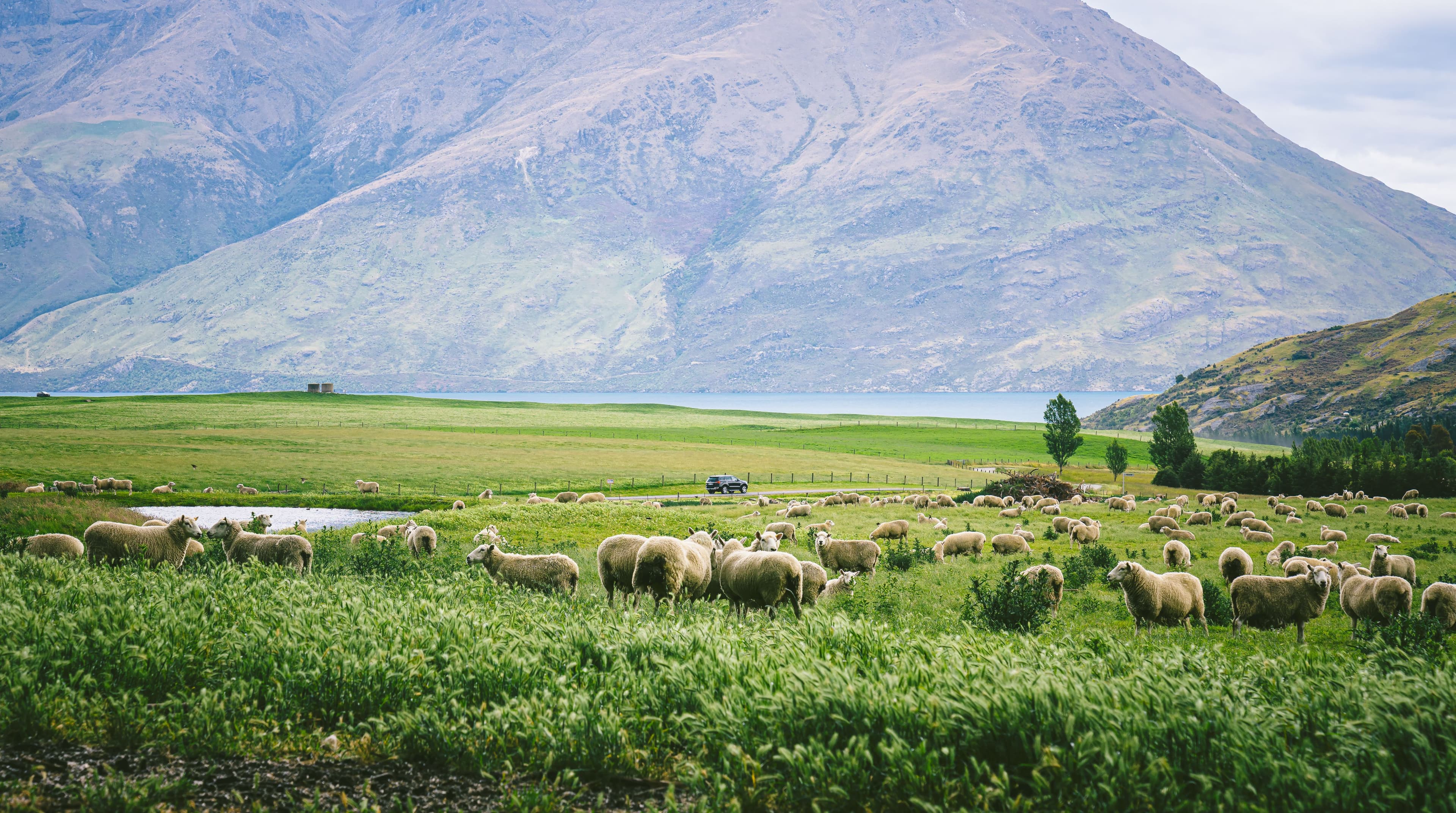
How to Ground an Electric Fence in Dry Soil
Introduction
Your energizer is running, the fence line is clear, and the voltage looks good near the charger. But animals still seem to get a weak shock. In dry weather, the problem may be under your feet. An electric fence depends on the soil to complete the circuit, and very dry ground does not conduct electricity as well as moist soil. A few changes to the grounding system can make a big difference.
1. Why Dry Soil Causes Electric Fence Problems
An electric fence only works when the electrical pulse has a path back to the energizer.
When an animal touches the live wire, the pulse travels through its body into the ground. From there, it needs to reach the ground rods and return to the energizer.
Moist soil usually provides a better path. When the ground becomes very dry, especially after weeks without rain, resistance increases. The return path becomes less effective.
That is why a fence can work perfectly in spring and feel much weaker later in a hot, dry summer.
The energizer has not necessarily changed. The soil has.
2. Don't Judge Grounding by Fence Voltage Alone
This catches people out.
You can measure strong voltage on the fence and still have a poor grounding system. A fence tester measures what is happening on the fence line, but the shock an animal receives also depends on whether the circuit can return through the soil.
Suppose you measure 7,000 volts on a clean fence. That sounds excellent. But if the ground is extremely dry and the grounding system is inadequate, an animal may not experience the result you expect.
So if livestock starts challenging a fence that previously worked well, don't immediately buy a larger energizer.
Check the ground side of the system too.
3. Put Ground Rods Where the Soil Holds Moisture
Location matters more than many people expect.
Avoid choosing a spot simply because it is closest to the energizer. If that area is extremely dry, rocky, or covered with loose sand, it may not be the best place for your grounding system.
Look for soil that naturally retains more moisture.
Lower ground can sometimes be better than an exposed slope. Soil near—but not inside—consistently damp areas may also provide better conditions.
The rods still need to be installed somewhere practical and safe, but a small change in location can improve performance without changing the energizer.
4. Drive Ground Rods Deep Enough
The surface of a pasture dries first.
A short rod sitting mainly in the top layer of dry soil may have poor contact with the more conductive soil below.
This is one reason deeper ground rods are commonly used for electric fencing. They reach soil conditions that are usually more stable than the top few inches.
For many farm systems, long galvanized ground rods are used and driven vertically into the soil, leaving only enough exposed at the top to make a secure connection.
If you hit rock before reaching sufficient depth, moving the rod to another location is often better than leaving most of it above ground.
5. One Ground Rod May Not Be Enough
A small temporary fence and a large permanent fence do not place the same demands on the grounding system.
For a small, low-output setup, a simpler grounding arrangement may work. As energizer output and fence load increase, more grounding capacity is often needed.
For larger systems, multiple ground rods are commonly installed rather than relying on a single rod.
A practical arrangement is to space the rods apart instead of driving several rods into almost the same spot. Around 3 meters between rods is a common starting point for farm electric fence installations.
The exact number of rods should still follow the energizer manufacturer's instructions. Energizer output, soil type, climate, and fence size all matter.
6. Check the Connection Between the Energizer and Ground Rods
Sometimes the soil gets blamed when the real problem is the connection.
Follow the ground cable from the energizer to the first rod. Check every clamp and connection point.
You are looking for corrosion, loose clamps, damaged cable, or a connection that is barely touching the rod.
Outdoor connections live through rain, mud, heat, frost, and years of temperature changes. They do not stay perfect forever.
A corroded connection adds resistance exactly where you do not want it.
Clean or replace questionable connections and tighten them properly before making bigger changes to the system.
7. Use Suitable Materials for the Grounding System
Mixing random metals can create problems over time.
For example, corrosion may develop faster where incompatible metals are connected together. Once corrosion builds up around a clamp or connection, electrical performance can suffer.
Galvanized ground rods and suitable clamps are widely used for farm electric fencing. The cable connecting the rods also needs to be appropriate for the system and securely attached.
This is not the most exciting part of building a fence, but it is one of those details you notice when something goes wrong.
Cheap or improvised connections can cost more time later.
8. Test the Grounding System Under Load
If you suspect poor grounding, testing it is more useful than guessing.
The idea is to create a load on the fence and then check whether excessive voltage appears on the grounding system.
This test should be carried out according to the instructions supplied with your energizer or fence tester because the exact procedure can vary.
If the test indicates that the grounding system is carrying more voltage than it should, adding or improving ground rods may help.
The important part is that you are testing the system under realistic conditions rather than looking at a ground rod and deciding it "looks fine."
9. What About Watering the Ground Rod Area?
You may hear farmers suggest pouring water around a ground rod during very dry weather.
It can temporarily improve soil conductivity around the rod, and it can also help confirm that dry soil is part of the problem.
But it is not a great permanent solution.
If the fence only works properly when you regularly carry water to the grounding system, the setup probably needs improvement. A better rod location, deeper rods, additional rods, or a different grounding arrangement is more practical over the long term.
Think of watering as a clue, not the finished fix.
10. Consider a Ground-Wire System in Very Dry Conditions
Some locations stay dry for long periods, not just during a few weeks in summer.
In these conditions, relying entirely on the soil as the return path can become difficult.
One option is an earth-return or ground-wire arrangement. Instead of making every fence strand live, the fence can include both live and grounded conductors.
When an animal touches a live conductor and a ground conductor at the same time, the circuit has a more direct return path.
This type of setup can be useful in difficult soil conditions, but it needs to be designed correctly for the animals and fence layout.
It is not necessary for every farm. For genuinely dry regions, though, it is worth considering.
11. Don't Use a Bigger Energizer to Hide a Grounding Problem
This is probably the most expensive mistake.
A farmer sees weak fence performance, assumes the energizer is too small, and replaces it with a higher-output model.
The fence is still disappointing.
Why? Because the new energizer is connected to the same poor grounding system.
A more powerful electric fence energizer can be useful when the existing unit is genuinely undersized for the fence. It cannot repair loose ground clamps, shallow rods, or extremely poor soil contact.
Before upgrading the energizer, test what you already have.
12. Recheck the System When the Seasons Change
Grounding performance is not fixed throughout the year.
Rainfall changes. Soil dries out. Frost arrives. Vegetation grows and disappears.
If your fence is reliable for most of the year but repeatedly becomes weak during one season, that pattern tells you something.
Keep a few voltage readings from different times of year. You do not need a complicated spreadsheet. Even basic notes can help you spot whether the problem follows dry weather.
That makes the next troubleshooting job much faster.
Conclusion
Dry soil can turn a good electric fence into a frustrating one, even when the energizer and fence conductor appear to be working normally. Start with the basics: check the ground connections, look at where the rods are installed, make sure they reach suitable soil, and test the system instead of guessing. Larger fences may need multiple rods, while very dry regions may benefit from a different ground-return design. Lydite Fence supplies electric fence energizers, fence testers, conductors, posts, and related components for livestock fencing systems.
FAQ
Why does my electric fence get weaker in summer?
Dry soil can increase resistance in the ground-return path. Vegetation, damaged conductors, and loose connections can also change with the season, so test the whole system before deciding on the cause.
How many ground rods does an electric fence need?
There is no single number for every fence. Energizer output, fence size, soil conditions, and the manufacturer's installation instructions should determine the grounding setup. Larger systems often require multiple rods.
How far apart should electric fence ground rods be?
Around 3 meters between rods is commonly used as a practical starting point. Always check the recommendations supplied with your energizer because requirements can vary.
Can I pour water around an electric fence ground rod?
Moistening very dry soil may temporarily improve conductivity and can help during troubleshooting. If regular watering is required to keep the fence effective, improving the grounding system is a better long-term approach.
Can poor grounding cause low electric fence performance?
Yes. The grounding system forms part of the electrical circuit. Even a correctly operating energizer may give disappointing livestock control if the return path through the ground is poor.
Recommended Products





Wuxi, China
Zhihui568, Jianghai Western Road
Wuxi, Jiangsu, China
Head Factory
Area A, Shuangmiao Industrial Park, Wutong Road, Huishan District, Wuxi City, Jiangsu Province, China


