

Can Fiberglass Fence Posts Be Used for Horses? What Horse Owners Should Know
Introduction
Fiberglass fence posts can be used in some horse-fencing systems, but the right choice depends on the fence design, the horses being contained, and the conditions of the site. A post that works well for a temporary electric paddock may not be suitable as the main support for a permanent boundary fence. Before choosing fiberglass fence posts for horses, consider visibility, post spacing, wire or tape compatibility, ground conditions, and the way horses may interact with the fence.
1. Can You Use Fiberglass Fence Posts for Horse Fencing?
Yes, fiberglass posts can be part of a horse-fencing system when they are selected and installed for the job. They are commonly considered for electric fencing, temporary paddocks, rotational grazing, and secondary fence lines where a lightweight, non-conductive support is useful.
However, the term horse fencing covers several different applications. A temporary electric line used to divide a pasture has different requirements from a permanent perimeter fence designed to define a boundary and withstand repeated contact. Fiberglass posts should therefore be assessed as one component of a complete fence, not as a guarantee of horse containment on their own.
For a permanent or high-pressure boundary, check the post manufacturer's load guidance and consider whether stronger end, corner, and gate structures are needed. Do not assume that a lightweight line post can replace a purpose-built corner assembly or a substantial timber or metal post.
2. Start with Horse Safety, Not Just Post Material
When planning a horse fence, safety depends on the complete layout. Horses may lean on a fence, rub against it, test a loose section, or fail to notice a thin wire. The post material alone cannot prevent these problems.
Pay particular attention to the following points:
- Visibility: Use a fence line that horses can see clearly. Highly visible tape, rails, or other suitable fence materials can help make the boundary easier to recognise than a single thin strand.
- Smooth surfaces: Check for sharp edges, exposed wire ends, splinters, projecting fasteners, and damaged fittings.
- Secure connections: Insulators and clips should hold the conductor in the intended position without creating snagging points.
- Suitable height and layout: Set the fence according to the horses, the site, and local professional guidance. There is no single height or number of strands that suits every horse or property.
- Reliable energizer and grounding: If the fence is electric, the energizer, earth system, connections, and vegetation control all affect performance.
Electric fencing should be used as a psychological barrier, not as a physical restraint that a horse is expected to crash into. Introduce horses to a new electric fence carefully and supervise them while they learn to respect it.
3. Where Fiberglass Posts Can Be a Practical Choice
Fiberglass posts may be useful in situations where easy handling and electrical insulation are priorities.
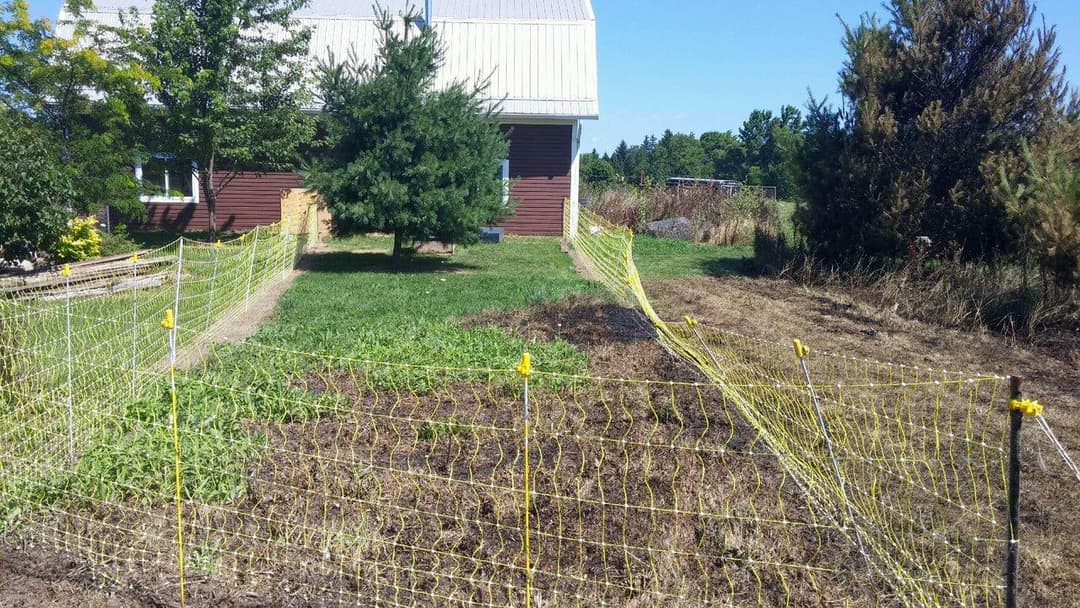
Temporary paddocks and rotational grazing: Lightweight posts can make it easier to move a fence as grazing areas change. This can be useful when dividing a larger pasture into smaller sections.
Intermediate line supports: In a system with suitable end and corner assemblies, fiberglass posts may serve as intermediate supports along a relatively straight run. The required spacing depends on the conductor, terrain, tension, and post design.
Electric offset lines: A separate electric line can sometimes be used to discourage horses from leaning over or rubbing against an existing fence. The posts and insulators must be compatible with the existing structure and installed so that the electric conductor remains clear of other materials.
Temporary or seasonal layouts: For seasonal grazing arrangements, a post that is easy to carry, position, and remove can reduce the work involved in changing the paddock layout.
These applications are not automatic approvals for every product. Check the dimensions, strength, installation method, and intended use of the specific post before putting it into service with horses.
4. Choose the Right Post Design and Dimensions
Not all fiberglass fence posts have the same construction. They can differ in length, cross-section, wall thickness, reinforcement, profile, and the number or position of conductor holders.
When comparing products, ask:
- What is the usable height above ground? The total post length is not the same as the exposed fence height after installation.
- What conductor does it support? Confirm whether the holders are designed for tape, polywire, rope, or another fence material.
- How many fence lines can it carry? Check the holder positions and whether they match the planned layout.
- How is it installed? Confirm the recommended insertion depth and whether a pilot hole or installation tool is required for the ground conditions.
- What is the product intended for? Ask the supplier whether the model is designed for temporary electric fencing, intermediate support, or another application.
Avoid selecting a post based on length or appearance alone. A post that is too flexible, too short, or fitted with incompatible holders may not keep the conductor where it needs to be.
5. Match the Post to Tape, Wire, and Insulators
The conductor is just as important as the post. For horse fencing, visibility is a key consideration, so many owners prefer a clearly visible tape or rail-style conductor where the system design allows it. Other systems may use polywire or metal wire with separate visibility measures.
Before buying, check that the post holders suit the width and type of tape or wire. A loose fit can allow the conductor to move, while an overly tight or unsuitable holder can damage it during installation or use.
If separate insulators are required, make sure they are designed for the post profile and conductor. The electric line must remain electrically isolated from conductive structures and must not touch metal gates, wire mesh, or other grounded materials unintentionally.
For a horse fence that combines physical rails with an electric offset, plan the position of the offset carefully. It should discourage contact without creating an entanglement hazard or an awkward gap in the fence line.
6. Post Spacing Depends on the Whole Fence System
There is no universal spacing rule for fiberglass posts in horse fencing. The correct distance depends on post stiffness, conductor weight, the number of strands, wire or tape tension, ground conditions, wind exposure, and the shape of the fence line.
A straight run on firm, level ground may allow a different spacing from a slope, a soft field edge, or a section where horses regularly gather. Corners, changes in direction, gateways, and areas under greater tension usually need more substantial support than ordinary intermediate sections.
Use the spacing guidance supplied for the post and conductor system. Then inspect the installed fence: the line should remain at its intended height and position without excessive sagging or leaning. If posts bend noticeably, move in loose soil, or allow the conductor to droop, reduce the spacing or use a more suitable support system.
7. Pay Special Attention to Corners, Gates, and Ground Conditions
Corners and gates are often the most demanding parts of a fence. They carry changes in direction, tension, and repeated movement. A lightweight fiberglass line post should not automatically be used as the main anchor at these points.
Use properly designed end and corner assemblies, and choose gate structures that can withstand regular opening and closing. Keep gate handles, connectors, and tensioning hardware arranged so that horses cannot easily catch themselves on them.
Ground conditions also matter. Rocky soil may make insertion difficult, while loose or waterlogged soil may provide limited holding strength. On uneven ground, the post may need a different installation approach or closer support spacing. If a post cannot be installed securely without damage, stop and reassess the post type or installation method rather than forcing it into the ground.
8. Inspect the Fence Regularly
A horse fence should be checked routinely, whether it uses fiberglass, wood, steel, or a combination of materials. Walk the full fence line and look for:
- Posts that lean, loosen, crack, or show visible damage.
- Holders or insulators that have broken or moved out of position.
- Tape or wire that is slack, frayed, twisted, or no longer visible as intended.
- Vegetation touching the electric conductor.
- Loose connectors, damaged gate handles, and unintended contact with metal parts.
- Signs that horses are rubbing, leaning, pushing, or repeatedly testing one section.
After storms, ground work, or changes in paddock use, carry out an additional inspection. If the fence is electric, use a suitable fence tester to check voltage at relevant points and investigate any unexpected drop. Do not rely on the energizer display alone to confirm that the whole fence is working properly.
9. When Should You Choose Another Type of Post?
Fiberglass posts are not the best answer for every horse-fencing project. Consider another post type or a mixed construction when:
- The fence is a primary perimeter barrier and requires substantial structural strength.
- The site has soft, unstable, or very rocky ground that does not suit the product's installation method.
- The fence carries heavy conductors or high tension beyond the post's stated capacity.
- Horses are likely to push or lean heavily on the fence.
- The product does not have suitable holders for the planned tape, wire, or insulators.
A mixed system can be a sensible option: use robust end, corner, and gate posts where loads are concentrated, and use compatible fiberglass posts as intermediate supports where appropriate. The final design should be based on the site and the manufacturer's guidance, not simply on the lowest post price.
10. A Practical Checklist Before Buying
Before ordering fiberglass fence posts for horses, confirm these details with the supplier:
- Intended application and recommended fence type.
- Post length, profile, and usable height after installation.
- Conductor compatibility and holder dimensions.
- Recommended post spacing for the proposed system.
- Installation method and suitable ground conditions.
- Guidance for corners, ends, and gateways.
- UV and outdoor-use information, plus inspection and replacement advice.
- Availability of matching insulators, connectors, and replacement parts.
If you are sourcing for a farm, distributor, or fencing contractor, request product drawings and clear photos of the holders and installation details. A sample can also help you confirm fit with the tape or wire you plan to use.
Conclusion
Fiberglass fence posts can be a practical part of a horse-fencing system, particularly for temporary paddocks, rotational grazing, and suitable intermediate electric-fence supports. The important point is to match the post to the conductor, ground conditions, fence layout, and behaviour of the horses. Use visible fence materials, secure fittings, properly designed corner and gate structures, and regular inspections. Lydite Fence offers electric-fencing components for different farm applications, and buyers can discuss post dimensions and conductor compatibility before selecting a system.
Frequently Asked Questions
Are fiberglass fence posts safe for horses?
They can be suitable when the specific post is used within its intended application and the complete fence is designed with horse safety in mind. Check for secure fittings, visible conductors, suitable layout, and the absence of sharp or protruding parts.
Can fiberglass posts be used for a permanent horse fence?
That depends on the post's rated use and the design of the fence. They may work as intermediate supports in some systems, but permanent boundaries usually need stronger end, corner, and gate structures. Confirm the manufacturer's guidance before installation.
Are fiberglass posts suitable for electric horse fencing?
Some fiberglass posts are designed for electric fencing. Confirm that the holders match the chosen tape or wire and that the electric conductor remains properly insulated from grounded materials.
How far apart should fiberglass posts be for horses?
There is no single spacing that suits every system. Follow the post and conductor manufacturer's recommendations, and adjust for terrain, tension, wind exposure, and horse pressure. Check that the installed fence does not sag or lean excessively.
Should I use electric tape or wire with fiberglass posts?
Choose a conductor that fits the post holders and is appropriate for the fence design. Visibility is especially important for horses, so a clearly visible tape or rail-style conductor may be preferable in many situations. Confirm compatibility before ordering.





Wuxi, China
Zhihui568, Jianghai Western Road
Wuxi, Jiangsu, China
Head Factory
Area A, Shuangmiao Industrial Park, Wutong Road, Huishan District, Wuxi City, Jiangsu Province, China


