

MENU
PRODUCTS
News

News
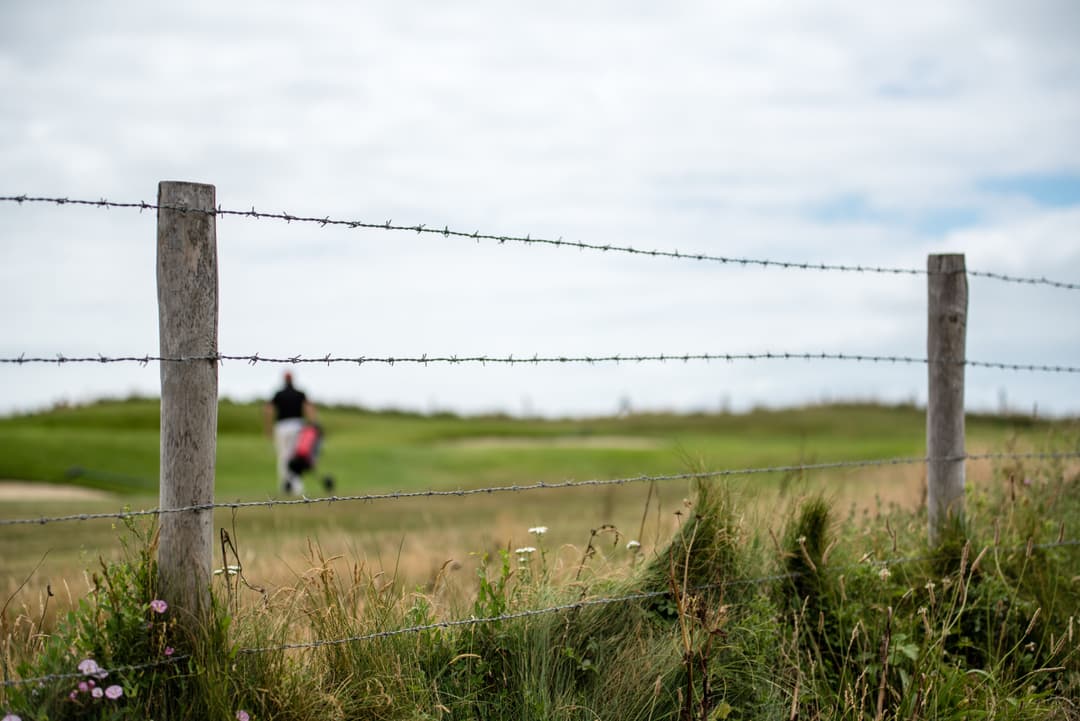
Fiberglass Fence Posts: How to Choose the Right Posts for Your Electric Fence
Introduction
You need to move a grazing fence, but the old posts are heavy, awkward, or difficult to pull out of the ground. Fiberglass fence posts can make that job easier. They are lightweight, resist rust, and work with several electric fence conductors. But not every fiberglass post is built for the same job. The length, profile, footplate, and insulator design all matter. Here is what to check before you buy posts for a cattle paddock, sheep enclosure, or temporary pasture division.
Read More
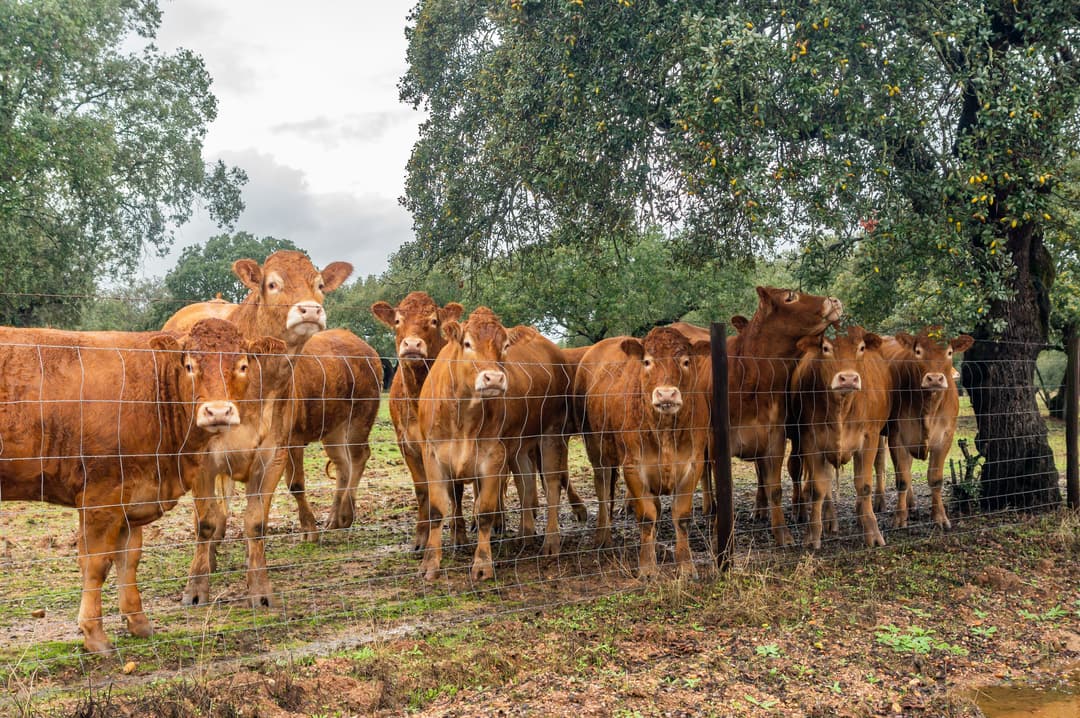
Electric Fence Insulators: Types, Uses, and How to Choose the Right One
Introduction
Your energizer is working, but the fence voltage keeps dropping. You check the wire, clear the grass, and still can't find the problem. Sometimes the culprit is a small piece of hardware: an insulator that has cracked, shifted, or simply doesn't fit the post. Choosing electric fence insulators isn't complicated, but the wrong type can create shorts and repeated maintenance. Here's how to match insulators to your posts, conductors, and actual fence layout.
Read More

Polywire vs Polyrope vs Polytape: Which Is Best for Your Electric Fence?
Introduction
Polywire, polyrope, and polytape can all carry an electric fence pulse, but they do not behave the same way in the field. One is easy to move, another is easier for animals to see, and another may hold up better when you need a more substantial fence line. The best choice depends on how often you move the fence, what animals you keep, how exposed the pasture is, and how far the current needs to travel.
Read More

How Far Apart Should Electric Fence Posts Be?
Introduction
Post spacing looks simple until you start building the fence. Put the posts too close together and you spend more money and time than necessary. Space them too far apart and the fence can sag, move in the wind, or struggle to follow uneven ground. There is no single spacing that works for every electric fence. The right distance depends on the conductor, terrain, animals, corners, and whether you are building a temporary or permanent fence.
Read More
How Many Joules Do You Need for an Electric Fence?
Introduction
You are comparing two electric fence energizers. One says 1 joule, another says 5 joules, and a third advertises a huge number of miles. Which number actually matters? Joules tell you how much energy an energizer can deliver in each pulse, but choosing the right output is not as simple as buying the biggest unit. Your animals, total fence load, vegetation, conductor type, and future expansion all change what the fence needs.
Read More

How to Ground an Electric Fence in Dry Soil
Introduction
Your energizer is running, the fence line is clear, and the voltage looks good near the charger. But animals still seem to get a weak shock. In dry weather, the problem may be under your feet. An electric fence depends on the soil to complete the circuit, and very dry ground does not conduct electricity as well as moist soil. A few changes to the grounding system can make a big difference.
Read More
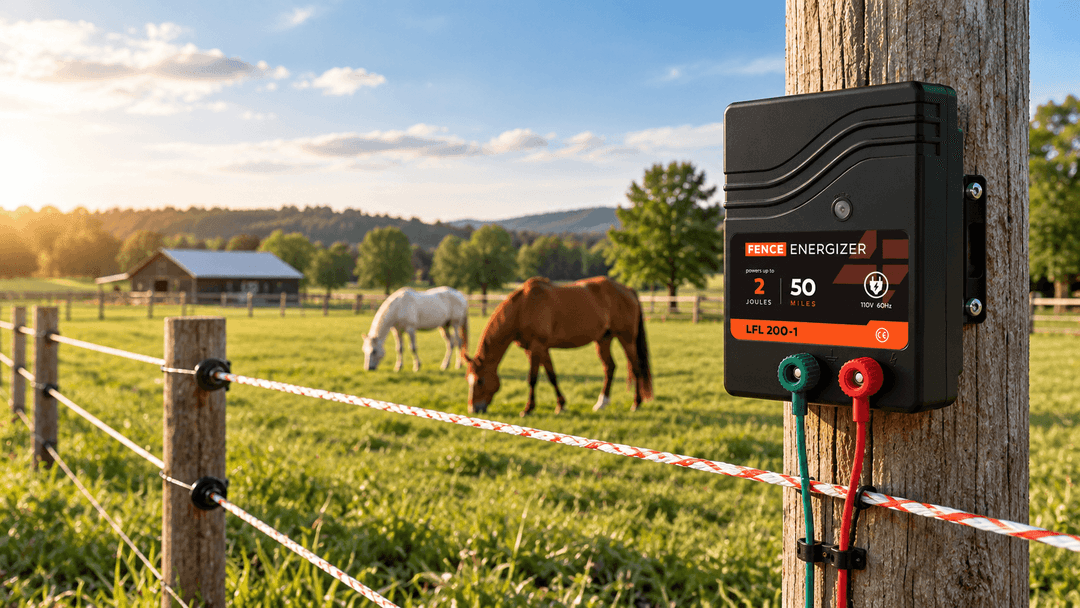
How to Choose the Right Electric Fence Energizer for Different Fence Types
Introduction
Two fences of the same length can need very different energizers. A short section of electric fence netting may put more load on a system than a much longer single strand of wire, while grass touching the fence can change the situation again. So when you choose an electric fence energizer, fence length is only part of the answer. You also need to look at what the fence is made of, how many conductors it has, and where it will be used.
Read More
Why Is My Electric Fence Not Working? 10 Common Problems and Solutions
Introduction
An electric fence can work well for months and then suddenly start losing voltage or stop working properly. When this happens, the energizer is not always the problem. Grass touching the fence, a damaged insulator, poor grounding, or one loose connection can affect the whole system. This guide walks you through the most common electric fence problems and shows you what to check before replacing any equipment.
Read More
How to Build an Effective Electric Fence Gate: A Complete Guide
Introduction
An electric fence gate needs to provide easy access while keeping the electrical circuit working correctly. A poorly designed gate can create voltage loss, become difficult to operate, or leave gaps where livestock can escape. Whether you are building a gate for cattle, horses, sheep, or goats, choosing the right components and making secure electrical connections are essential. In this guide, you will learn how to build an effective electric fence gate and avoid common installation problems.
Read More
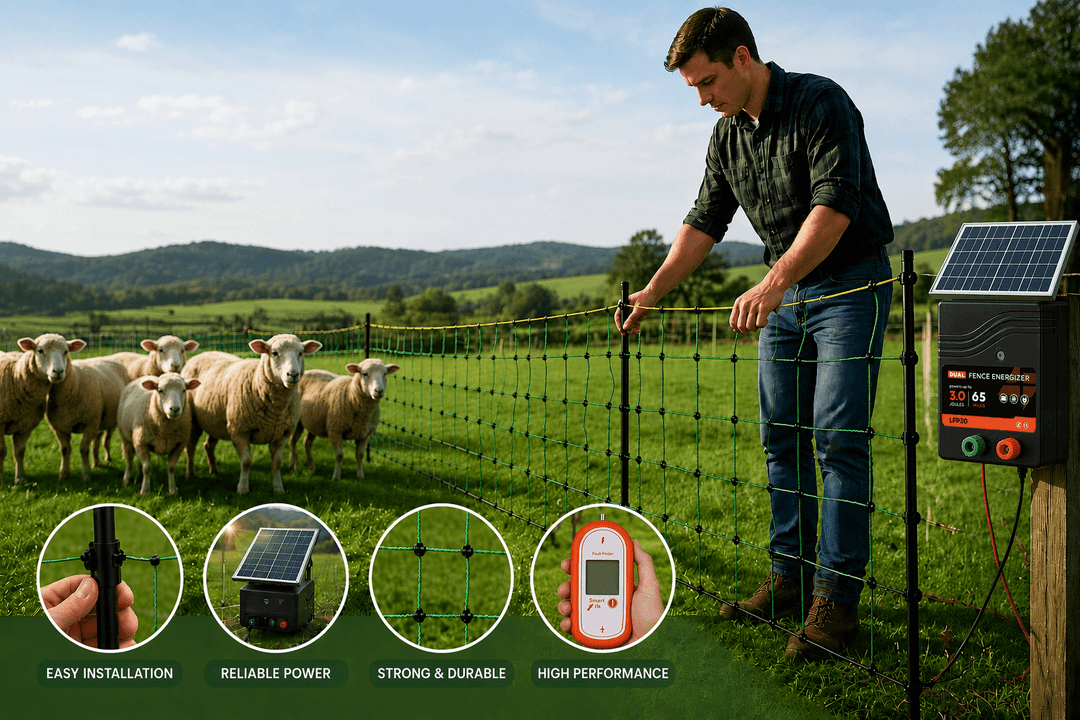
How to Install Electric Fence Netting: A Complete Guide for Farmers
Introduction
Electric fence netting is a popular solution for farmers who need a flexible and effective way to manage sheep, goats, poultry, and other small livestock. However, proper installation is essential to ensure strong performance. In this guide, you will learn how to install electric fence netting correctly, avoid common mistakes, and build a reliable fencing system.
Read More
Why Is My Electric Fence Not Working? 10 Common Causes and Solutions
A properly functioning electric fence is one of the most effective ways to control livestock and protect property. However, many farmers eventually face the same frustrating problem: the fence stops delivering an effective shock.
When an electric fence fails, animals may begin testing boundaries, escaping enclosures, or damaging fence lines. The good news is that most electric fence problems are easy to identify and fix once you know where to look.
In this guide, you will learn the most common reasons an electric fence stops working and the practical steps you can take to restore full performance.
Read More
How to Test an Electric Fence Properly (Step-by-Step Guide for Farmers)
Introduction
Testing your electric fence regularly is one of the most important parts of fence maintenance.
Even a strong electric fence energizer can lose performance because of poor grounding, damaged conductors, vegetation load, or faulty connections. If your fence voltage drops, livestock may begin ignoring the fence, leading to escapes and system failures.
In this guide, you will learn how to test an electric fence correctly and identify the most common voltage problems before they become serious.
Read More



Leave your contact and we'll call you back in 5 minutes
Lydite Electric Fence is a leading provider of customized electric fencing solutions for residential, commercial, and industrial properties. With 23 years of experience in the industry.

Contact
Address
Wuxi, China
Zhihui568, Jianghai Western Road
Wuxi, Jiangsu, China
Head Factory
Area A, Shuangmiao Industrial Park, Wutong Road, Huishan District, Wuxi City, Jiangsu Province, China
Social


© 2023 Lydite Fence | All Rights Reserved | 苏公网安备32021302001777