

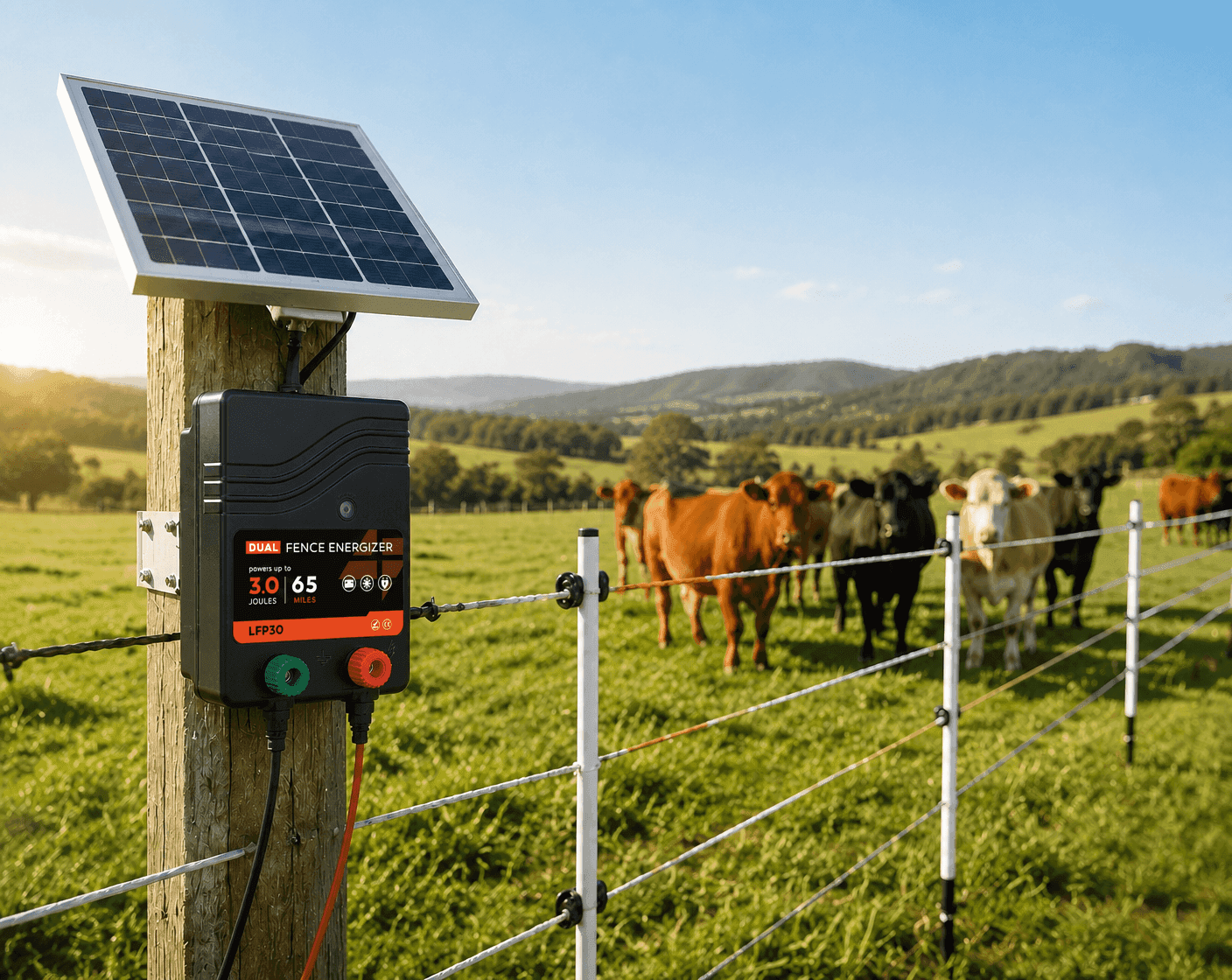
Solar Electric Fence Energizer: Complete Guide for Farmers and Ranchers
Introduction
A solar electric fence energizer is an ideal solution for farms, ranches, and remote areas where reliable power sources are not always available. By using solar energy to power an electric fence system, you can protect livestock, manage grazing areas, and reduce installation costs. In this guide, you will learn how solar fence energizers work, how to choose the right model, and how to maintain long-term performance.
1. How Does a Solar Electric Fence Energizer Work?
A solar electric fence energizer converts sunlight into electrical energy through a solar panel.
The basic working process includes:
- The solar panel collects sunlight.
- The battery stores electrical energy.
- The energizer converts stored energy into high-voltage pulses.
- The pulses travel through the fence conductor.
When an animal touches the fence and the ground at the same time, the electrical circuit is completed, creating a safe but effective deterrent.
Unlike traditional power systems, solar energizers can operate independently without requiring an external electricity supply.
2. Why Choose a Solar Fence Energizer?
Solar-powered fencing provides several advantages, especially for remote agricultural areas.
Key benefits include:
- No need for electrical wiring
- Easy installation in remote locations
- Lower operating costs
- Flexible fence placement
- Environmentally friendly operation
For farms with large grazing areas, solar energizers make it easier to install electric fencing far away from buildings or power sources.
3. Consider Your Fence Length and Power Requirements
Choosing the correct solar electric fence energizer depends on your fence size and conditions.
Before purchasing, consider:
- Total fence distance
- Number of fence strands
- Type of livestock
- Vegetation around the fence
- Soil conditions
A longer fence with heavy vegetation requires more energy output because more power is lost through resistance and leakage.
Choosing an energizer with sufficient output ensures your fence maintains effective voltage across the entire system.
4. Select the Right Battery Capacity
The battery is an important part of a solar fence energizer because it stores energy for nighttime and cloudy days.
A larger battery capacity provides:
- Longer operating time without sunlight
- More stable fence performance
- Better reliability during poor weather
When selecting a solar energizer, consider the local climate and the number of sunlight hours available throughout the year.
5. Install the Solar Panel Correctly
The solar panel must receive enough sunlight to charge efficiently.
Installation tips include:
- Place the panel in an open area
- Avoid shade from trees or buildings
- Position the panel toward maximum sunlight
- Keep the surface clean
Dust, leaves, and dirt can reduce charging efficiency, so regular cleaning is recommended.
6. Build a Strong Grounding System
A proper grounding system is essential for solar electric fence performance.
The grounding system allows electricity to return through the soil when an animal touches the fence.
For better results:
- Use galvanized grounding rods
- Install multiple rods for larger fences
- Keep connections tight and clean
- Check grounding performance regularly
Many fence problems are caused by poor grounding rather than insufficient energizer power.
7. Match the Solar Energizer with the Right Fence Materials
A solar energizer works together with other fence components.
Common fencing materials include:
- Polywire
- Polyrope
- Polytape
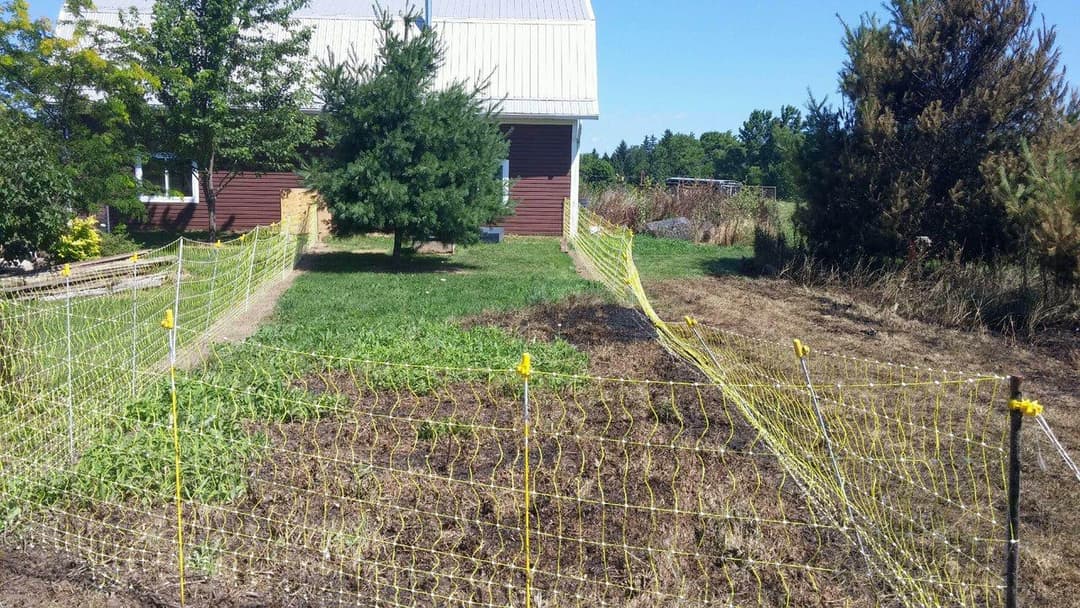
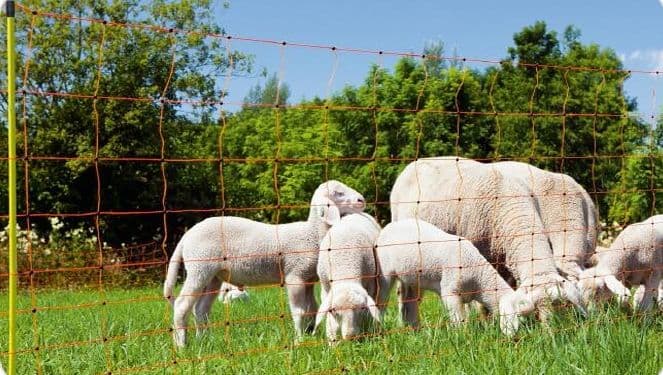
- Electric fence netting
- Fence posts
- Insulators
Different applications require different fence solutions.
For example:
- Sheep and goats often use electric fence netting.
- Horses benefit from highly visible polyrope or polytape.
- Cattle systems may use polywire or permanent wire fencing.
A complete system design improves both safety and performance.
8. Maintain Your Solar Electric Fence System
Regular maintenance helps extend the lifespan of your solar fencing equipment.
Check the following regularly:
- Solar panel condition
- Battery performance
- Fence voltage
- Grounding connections
- Vegetation growth
- Fence materials
Removing grass and weeds from the fence line is especially important because vegetation can drain energy and reduce voltage.
9. Common Problems with Solar Fence Energizers
Even a reliable solar system may experience performance issues.
Common problems include:
Low Fence Voltage
Possible causes:
- Poor grounding
- Vegetation contact
- Weak battery
- Damaged conductors
Short Operating Time
Possible causes:
- Insufficient sunlight
- Aging battery
- Dirty solar panel
Reduced Shock Strength
Possible causes:
- Long fence distance
- Incorrect energizer selection
- Poor connections
Regular inspection helps identify and solve these issues quickly.
10. How to Choose a Reliable Solar Electric Fence Energizer
Before choosing a model, evaluate your actual fencing needs.
Consider:
- Fence distance
- Animal type
- Energy output
- Battery capacity
- Weather conditions
- Future expansion
A properly selected solar energizer provides reliable performance while reducing maintenance requirements.
Conclusion
A solar electric fence energizer is an efficient solution for farms, ranches, and remote livestock areas. By choosing the right power output, installing a proper grounding system, maintaining the solar panel and battery, and using suitable fence components, you can create a reliable electric fencing system that works in different environments. Lydite Fence provides solar electric fence energizers, polywire, polyrope, electric fence netting, fence posts, and accessories designed to support farmers and livestock owners worldwide.
FAQ
How long can a solar electric fence energizer work without sunlight?
The operating time depends on battery capacity, energy consumption, and fence conditions. Many quality solar energizers can continue working for several days during cloudy weather when fully charged.
Is a solar energizer powerful enough for large farms?
Yes. The correct model can support long-distance fences when selected according to fence length, vegetation conditions, and livestock requirements.
Does a solar electric fence need a grounding system?
Yes. A proper grounding system is necessary for any electric fence because it completes the electrical circuit.
How often should I maintain a solar fence energizer?
Regular checks are recommended, including battery inspection, solar panel cleaning, voltage testing, and vegetation control.
Recommended Products







Wuxi, China
Zhihui568, Jianghai Western Road
Wuxi, Jiangsu, China
Head Factory
Area A, Shuangmiao Industrial Park, Wutong Road, Huishan District, Wuxi City, Jiangsu Province, China


