

Electric Fence Maintenance: 10 Essential Tips to Keep Your Fence Working Efficiently
Introduction
Proper electric fence maintenance is essential for keeping your fencing system reliable throughout the year. Even the best electric fence energizer cannot deliver consistent performance without regular inspections and maintenance. By following a simple maintenance routine, you can reduce voltage loss, prevent costly repairs, extend the lifespan of your equipment, and keep your livestock safely contained.
1. Check Your Electric Fence Voltage Regularly
The easiest way to monitor fence performance is by checking the voltage on a regular basis.
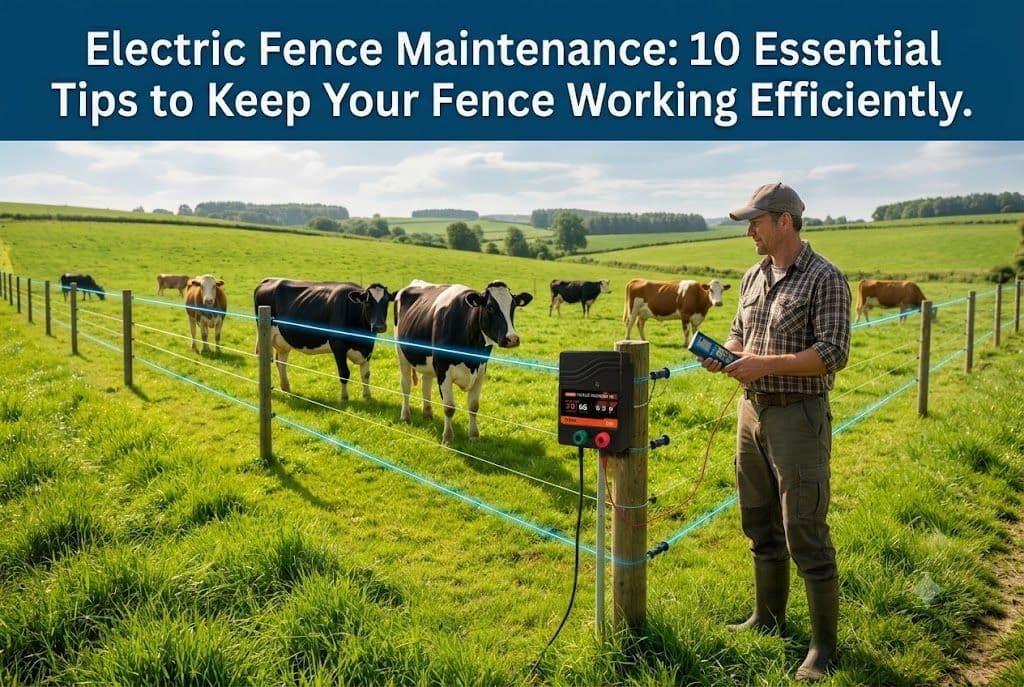
Use a digital fence tester to measure the voltage at different points along the fence line, including near the energizer, in the middle of the fence, and at the far end. Consistent readings indicate that your system is working efficiently, while sudden voltage drops usually signal a problem that requires attention.
Regular voltage testing helps identify issues before they affect livestock control.
2. Inspect the Electric Fence Energizer
The electric fence energizer is the heart of the entire fencing system.
Inspect the energizer for signs of damage, loose wiring, or moisture. Make sure the power supply is stable and that all electrical connections remain secure.
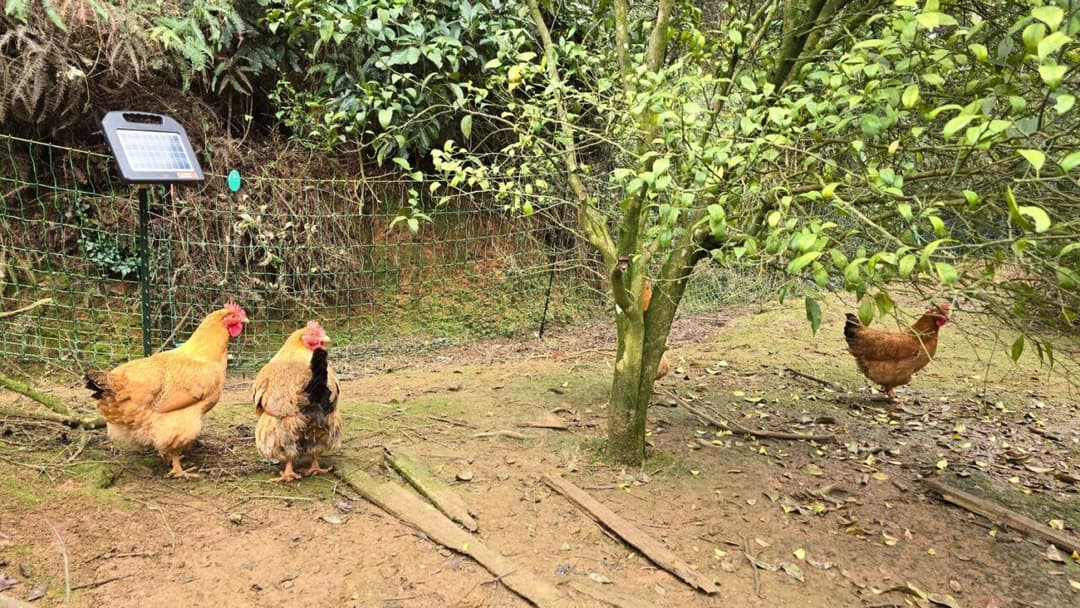
If you use a solar fence energizer, clean the solar panel regularly and check the battery condition to ensure reliable charging.
A well-maintained energizer provides consistent output and improves the overall performance of your fence.
3. Keep Vegetation Away from the Fence
Grass, weeds, vines, and low-hanging branches can continuously drain power from an electric fence.
Walk along the fence line regularly and remove any vegetation that touches the conductors. This is especially important during spring and summer when plant growth is at its fastest.
Maintaining a clear fence line helps preserve voltage and reduces unnecessary strain on the energizer.
4. Inspect Polywire, Polyrope, and Polytape
Fence conductors should always be in good condition.
Check your polywire, polyrope, or polytape for broken conductive strands, frayed sections, excessive sagging, or worn connectors. Damaged conductors increase electrical resistance and reduce fence efficiency.
Replacing worn materials before they fail completely helps maintain consistent fence performance.
5. Examine Fence Posts and Insulators
Fence posts and insulators play an important role in supporting the fence and preventing electrical leakage.
Inspect all posts for damage or movement, especially after storms or heavy livestock pressure. Examine insulators for cracks, UV damage, or loose fittings that could allow electricity to escape into the post.
Replacing damaged components promptly helps maintain proper voltage throughout the fence.
6. Test the Grounding System
An effective grounding system is essential for any electric fence.
Inspect all grounding rods, clamps, and cables to ensure they remain secure and corrosion-free. During dry weather, the soil around the grounding rods may become less conductive, reducing fence performance.
Adding additional grounding rods or improving soil moisture can significantly improve the effectiveness of your electric fence.
7. Check Gates and Connectors
Gate handles, underground cables, and wire connectors should be inspected regularly.
Loose or corroded connectors create resistance that reduces fence voltage. Tighten all fittings and replace damaged components whenever necessary.
Maintaining strong electrical connections helps ensure that power flows efficiently throughout the fence system.
8. Prepare Your Fence for Seasonal Changes
Weather conditions affect electric fence performance throughout the year.
During the growing season, vegetation requires more frequent trimming. In winter, inspect the fence after snow, ice, or strong winds that may damage conductors or fence posts.
Seasonal inspections reduce unexpected failures and help maintain reliable operation in changing conditions.
9. Replace Worn Components Before They Fail
Waiting for components to fail completely often results in larger repairs and unexpected downtime.
Inspect your fencing system regularly and replace worn insulators, damaged conductors, weak batteries, and aging connectors before they affect fence performance.
Preventive maintenance is usually less expensive than emergency repairs.
10. Create a Routine Maintenance Schedule
The best way to keep an electric fence working efficiently is to follow a regular maintenance schedule.
A simple monthly inspection should include:
- Testing fence voltage
- Inspecting the energizer
- Checking the grounding system
- Removing vegetation
- Examining conductors and insulators
- Tightening electrical connections
Routine maintenance helps ensure your fence continues to perform reliably throughout the year.
Conclusion
Regular maintenance is the key to maximizing the performance and lifespan of your electric fence system. By inspecting your electric fence energizer, maintaining a strong grounding system, controlling vegetation, and replacing worn components before they fail, you can reduce maintenance costs and improve livestock security. Lydite Fence offers electric fence energizers, polywire, polyrope, electric fence netting, fence posts, insulators, and fencing accessories designed to help farmers build dependable and long-lasting electric fencing systems.
FAQ
How often should an electric fence be inspected?
A visual inspection should be performed every week, while a complete maintenance check is recommended at least once a month.
Why does my fence voltage drop over time?
Voltage loss is commonly caused by vegetation touching the fence, poor grounding, damaged conductors, or loose electrical connections.
How do I know if my grounding system is working?
Use a digital fence tester to measure voltage and inspect all grounding rods and connections regularly for corrosion or loose fittings.
Can regular maintenance extend the life of an electric fence energizer?
Yes. Routine maintenance reduces unnecessary electrical load and helps your energizer operate efficiently for many years.






Wuxi, China
Zhihui568, Jianghai Western Road
Wuxi, Jiangsu, China
Head Factory
Area A, Shuangmiao Industrial Park, Wutong Road, Huishan District, Wuxi City, Jiangsu Province, China


