


Why Your Electric Fence Isn’t Working (And How to Fix It)
A Practical Guide to Electric Fence Energizers for Farmers
You installed an electric fence, turned on the energizer, and everything looks fine. But your animals still push through the fence, or predators keep testing it. In most cases, the problem is not the fence itself—it’s how the electric fence energizer is selected, connected, or maintained.
This guide explains the most common reasons electric fences fail in real farm conditions and shows you how to fix them step by step.
1. The Fence Is “On” but Not Strong Enough
Many farmers assume that if the energizer light is blinking, the fence is working properly. In reality, a fence can be powered on but still deliver very weak voltage.
Common causes include:
An undersized energizer
Long fence distance
High resistance from poor connections
If your fence line is long or includes multiple strands, a low-joule energizer may not deliver enough power at the far end.
2. Fence Length Matters More Than You Think
Electric fence energizers are often chosen based only on pasture size, but total fence length is just as important.
For example:
A small paddock with many corners can require more power than a straight fence
Rotational grazing systems add extra resistance
Multiple fence lines connected together increase load
Longer fences always need higher joule output, even when using polywire or tape.
3. Poor Grounding Cancels Fence Power
Grounding problems are the most common reason electric fences fail.
If electricity cannot return to the energizer through the soil, the animal will feel little or no shock.
Key grounding tips:
Use at least one 1.5–2 meter galvanized grounding rod for small systems
Use multiple rods for longer fences
Keep ground connections tight and clean
Improve soil moisture in dry areas
A powerful energizer cannot compensate for poor grounding.
4. Vegetation Steals Fence Voltage
Grass and weeds touching the fence constantly drain energy from the system.
This is especially common with:
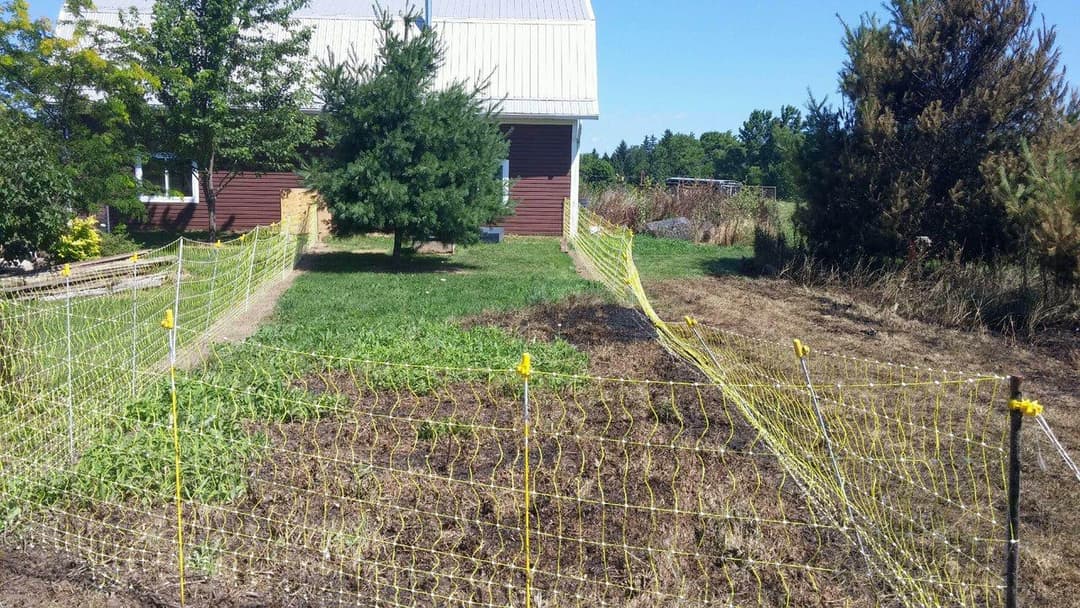
Electric fence netting
Lower strands of polywire
Temporary fencing in fast-growing pastures
Even a high-output energizer will lose voltage if vegetation contact is not controlled.
5. Wrong Fence Conductor for the Job
Not all fence materials behave the same.
General guidelines:
Polywire works well for long straight runs
Polyrope offers visibility but slightly higher resistance
Electric fence tape needs good tension and spacing
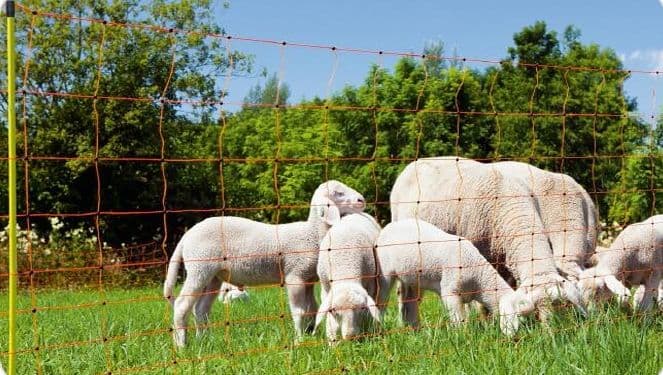
Electric fence netting requires more power due to multiple horizontal strands
Matching the energizer output to the fence conductor is essential for consistent performance.
6. Fence Posts and Insulation Problems
Electricity leaks into the ground when posts and insulators are not properly installed.
Common issues include:
Cracked insulators on metal posts
Fence wire touching steel T-posts
Poor-quality plastic posts breaking down in sunlight
Good insulation ensures power stays on the fence line—not in the soil.
7. The Energizer Is Installed in the Wrong Location
Where you place the energizer affects its lifespan and performance.
Best practices:
Mount the energizer above ground level
Keep it protected from water and animals
For solar units, ensure full sun exposure
Avoid mounting directly on metal surfaces
Correct placement reduces power loss and equipment failure.
8. Battery and Power Supply Issues
For solar and battery-powered energizers, power storage matters as much as output.
Common problems include:
Old or undersized batteries
Loose battery terminals
Dirty solar panels
Insufficient sunlight during winter
Regular battery checks prevent unexpected fence failure.
9. Not Testing the Fence Regularly
Many farmers only test their fence after problems appear.
A better approach:
Test voltage weekly
Test near the energizer and at the far end
Test after storms or heavy rain
Test before introducing new animals
A digital fence tester is one of the most important tools you can own.
10. Choosing the Right Energizer for Long-Term Use
A reliable electric fence system starts with the right energizer.
Small systems benefit from compact AC plug-in models.
Remote or rotating pastures work best with solar energizers.
Large farms and long-distance fencing require higher joule output and stronger grounding systems.
The goal is not maximum shock—but consistent, repeatable voltage that animals learn to respect.
Final Thoughts
When an electric fence fails, the solution is rarely just “buy a bigger energizer.”
Most problems come from system balance: grounding, fence length, conductor type, and maintenance.
Once everything works together, even a moderate electric fence energizer can deliver excellent results and keep livestock safely contained.
Recommended Products






Wuxi, China
Zhihui568, Jianghai Western Road
Wuxi, Jiangsu, China
Head Factory
Area A, Shuangmiao Industrial Park, Wutong Road, Huishan District, Wuxi City, Jiangsu Province, China


