


Polywire vs Polyrope vs Polytape: Which Is Best for Your Electric Fence?
Introduction
Polywire, polyrope, and polytape can all carry an electric fence pulse, but they do not behave the same way in the field. One is easy to move, another is easier for animals to see, and another may hold up better when you need a more substantial fence line. The best choice depends on how often you move the fence, what animals you keep, how exposed the pasture is, and how far the current needs to travel.
1. The Main Difference Is More Than Shape
At first glance, the choice seems simple: polywire is thin, polyrope is thicker, and polytape is flat and wide.
But those shapes affect how each conductor works.
They change visibility, weight, wind resistance, handling, and the amount of support the fence may need. Inside the plastic fibers are conductive metal strands that carry the electrical pulse. Their material, number, and thickness also affect resistance.
That means two products that look similar can perform differently over the same fence distance.
When comparing conductors, look at both the physical construction and the electrical specification.
2. Polywire Is a Practical Choice for Portable Fencing
Polywire is widely used when a fence needs to go up quickly and come down again just as easily.
It is light, easy to wind onto a reel, and works well with plastic step-in or fiberglass posts. That makes it useful for rotational grazing, temporary paddocks, strip grazing, and other fence layouts that change regularly.
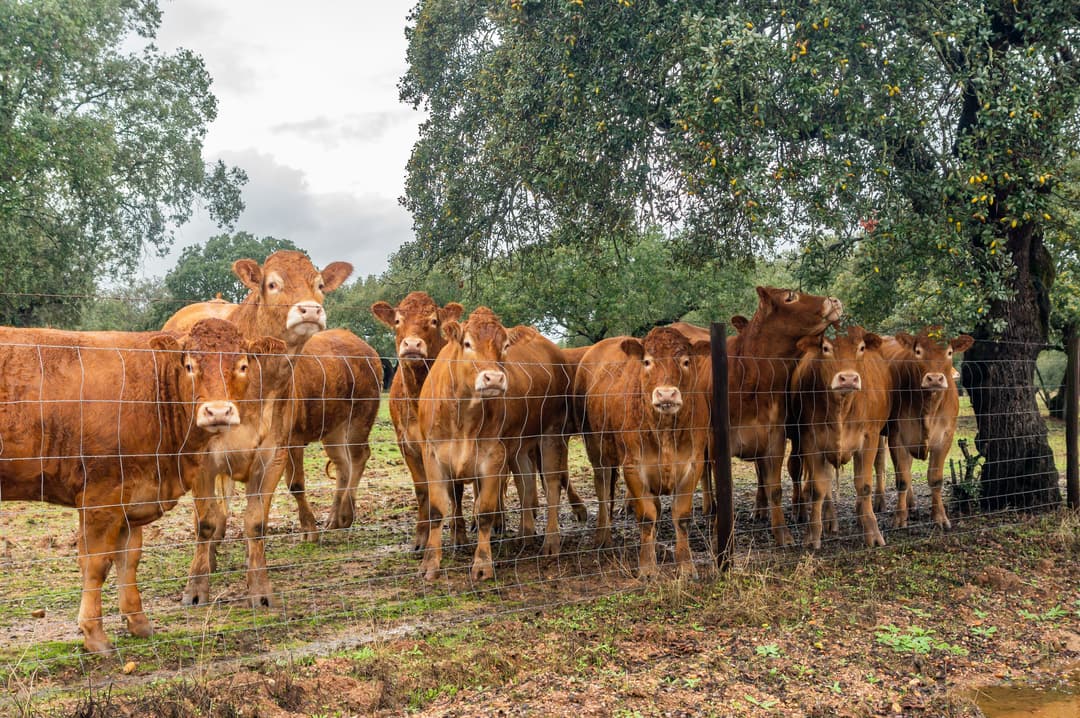
Imagine moving cattle onto a fresh section of pasture every few days. Carrying a reel of lightweight polywire and a bundle of portable posts is much easier than moving a heavier fence system.
The trade-off is visibility. Thin polywire is not as easy for animals to see as wider tape or a thicker rope, especially from a distance.
3. Polyrope Gives You More Visibility and a More Substantial Line
Polyrope is thicker than polywire and is generally easier for livestock to see.
That makes it useful when you want the flexibility of a polymer conductor but prefer a fence line with more physical presence.
It can work well for paddocks, livestock boundaries, and some horse fencing applications. It is still much lighter and easier to handle than many traditional permanent fence materials.
The extra thickness also means extra weight. Long spans and loose tension can produce more sag than you might expect.
If you choose polyrope, make sure the posts and insulators are suitable for the rope diameter and the spacing keeps the line properly supported.
4. Polytape Is Easy to See, Especially for Horses
Visibility is where polytape stands out.
Its flat, wide profile creates a clear visual boundary. This is one reason you often see it used around horse paddocks.
A horse moving quickly across a field can recognize a wide tape more easily than a very thin wire. The electric pulse then reinforces that visible boundary.
But the same wide surface that improves visibility also catches wind.
On an exposed property, poorly supported tape may flap constantly. That movement can loosen the fence, wear the tape, and put additional stress on posts and insulators.
For polytape, post spacing and tension deserve extra attention.
5. Wind Can Change Which Conductor Makes Sense
A sheltered paddock and an open hillside are very different places to install the same fence.
Polywire presents relatively little surface area to the wind. Polyrope catches more, while wide polytape can move considerably during strong gusts.
If you regularly deal with high winds, this becomes a practical selection factor rather than a small detail.
You may still choose polytape because visibility is important, but you might need closer post spacing, stronger support, or a narrower tape.
Choosing a conductor is not just about the animal. Look at the weather the fence will live in.
6. Conductivity Matters More as the Fence Gets Longer
For a short temporary enclosure, small differences in conductor resistance may not be obvious.
Extend the fence over a much longer distance and they become more important.
The electrical pulse loses some energy as it travels through a conductor. A product with higher resistance can produce a larger voltage drop over a long run.
This is why you should not assume that all polywire, polyrope, or polytape performs the same.
Check the conductor specification. Stainless steel strands are durable, while other conductive materials may be used to improve conductivity. The overall design determines how the conductor performs.
If the far end of your fence is consistently weaker than the section near the energizer, conductor resistance is one of several things worth checking.
7. Think About How Often You Will Move the Fence
A conductor that works beautifully as a permanent boundary can become annoying if you need to move it every morning.
For frequent rotational grazing, handling speed matters.
Polywire is usually convenient because it is light and works well with geared reels. You can take down a temporary cross-fence, move the posts, and install the next section without handling a large volume of material.
Polyrope can also be used in movable systems, although its extra bulk becomes more noticeable as fence length increases.
Wide tape requires more care when winding and unwinding because twisting can make the next installation messy.
If the fence moves regularly, choose the conductor you will actually be willing to handle.
8. Match the Conductor to the Animal
There is no conductor that is automatically best for every species.
For cattle in a rotational grazing system, lightweight polywire can be a very practical solution once the animals are trained to respect the fence.
For horses, visibility becomes more important. Polyrope and polytape are often easier to see than thin polywire.
Sheep and goats may require several conductors at appropriate heights, or electric fence netting may be more practical depending on the application.
The animal is only one part of the decision. A visible conductor with poor voltage is not a good fence, and a highly conductive line positioned at the wrong height is not much better.
The entire system has to work together.
9. Your Posts and Insulators Need to Match the Conductor
Changing the conductor can also change the hardware you need.
A small clip designed for polywire may not comfortably hold a wide polytape. Polyrope needs an insulator opening large enough to let the rope sit correctly without unnecessary friction.
Post spacing can change too.
Light polywire on flat ground may tolerate wider spacing than wide tape in a windy horse paddock. Corners and ends also need to handle the tension created by the conductor.
Before ordering a large quantity of wire, rope, or tape, check that your posts, insulators, reels, tensioning method, and gate connections are compatible with it.
10. Vegetation Affects All Three
Grass touching an energized conductor creates leakage toward the ground.
This affects polywire, polyrope, and polytape alike.
The lower strand is usually the first place to look because it sits closest to growing vegetation. After several weeks of warm, wet weather, a clean fence line can become surrounded by grass.
A stronger energizer may tolerate some normal leakage, but vegetation control is still part of electric fence maintenance.
If your voltage suddenly drops, walk the fence before blaming the conductor. Wet grass, a fallen branch, a damaged insulator, or a poor connection may be the real cause.
11. Cost Should Include More Than the Price per Roll
The cheapest roll is not necessarily the lowest-cost fence.
Think about how the conductor will be used over its service life.
For a temporary fence, easy handling can save time every time you move the paddock. For a horse fence, better visibility may be worth more than saving a small amount on material. For a long fence, lower electrical resistance may matter more than the initial roll price.
Posts and accessories also affect the final cost.
A conductor that needs closer post spacing or different insulators can change the total project budget.
Compare the complete fence system, not just three price tags.
12. A Simple Way to Choose
If you are still deciding, start with the job the fence needs to do.
Choose polywire when portability, low weight, and quick installation are priorities.
Consider polyrope when you want a thicker, more visible conductor while keeping the flexibility of a polymer fence line.
Consider polytape when high visibility is especially important, including many horse paddock applications, and you can provide suitable support for wind and tension.
Then check conductivity, fence length, post spacing, energizer capacity, and local conditions before making the final choice.
That short process is more reliable than choosing by appearance alone.
Conclusion
Polywire, polyrope, and polytape can all be effective electric fence conductors, but each solves a slightly different problem. Polywire is convenient for portable fencing, polyrope provides a thicker and more visible line, and polytape offers strong visibility where animals need a clear boundary. Your final choice should also consider wind, fence length, resistance, post spacing, livestock, and how often the fence moves. Lydite Fence supplies polywire, polyrope, polytape, posts, reels, insulators, energizers, and other components for temporary and permanent livestock fencing systems.
FAQ
Is polywire or polyrope better for electric fencing?
Neither is better for every fence. Polywire is lighter and particularly convenient for portable systems, while polyrope is thicker and generally more visible. Fence length, livestock, handling, and conductor specifications should guide the choice.
Is polytape good for horse fencing?
Polytape is commonly used where high fence visibility is important, including horse paddocks. Because wide tape catches more wind, suitable posts, insulators, spacing, and tension are important.
Can I use polywire for cattle?
Yes. Polywire is commonly used in temporary and rotational grazing systems for cattle. The complete fence still needs suitable voltage, conductor height, grounding, and an energizer matched to the fence load.
Can polywire, polyrope, and polytape use the same energizer?
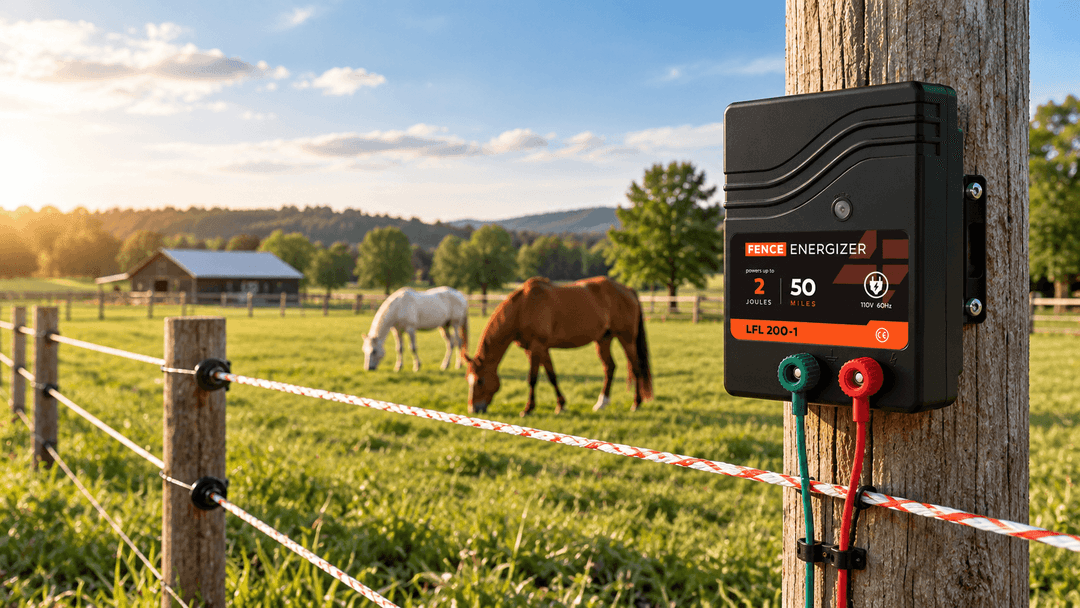
They can be used with compatible electric fence energizers, but the required energizer capacity depends on total fence load, conductor resistance, length, vegetation, grounding, and the number of energized strands.
Which electric fence conductor is easiest to move?
Polywire is often the easiest option for frequently moved fences because it is lightweight and easy to wind onto a reel. The best choice still depends on the required visibility and fence length.








Wuxi, China
Zhihui568, Jianghai Western Road
Wuxi, Jiangsu, China
Head Factory
Area A, Shuangmiao Industrial Park, Wutong Road, Huishan District, Wuxi City, Jiangsu Province, China


