

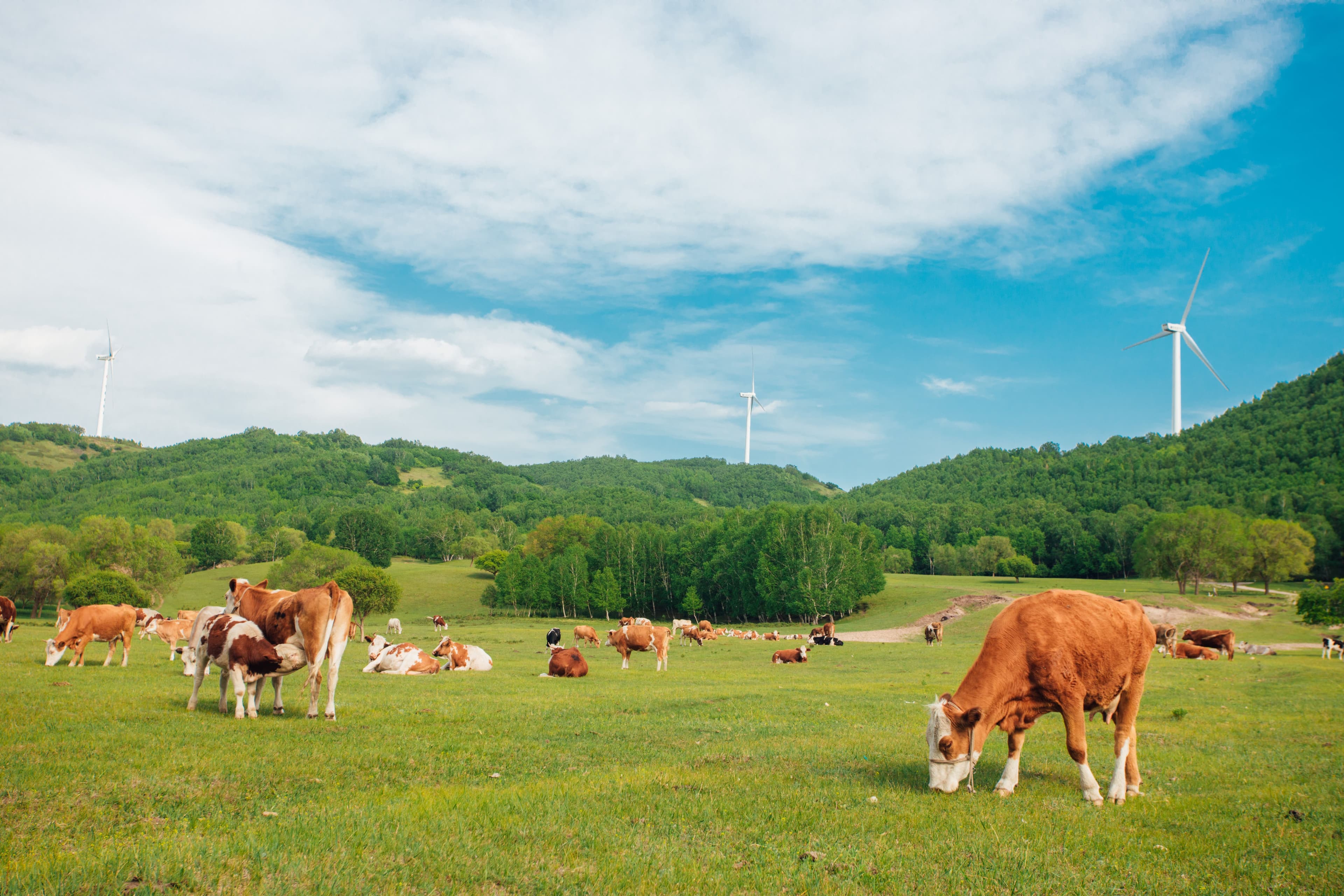
How to Test an Electric Fence Properly (Step-by-Step Guide for Farmers)
Introduction
Testing your electric fence regularly is one of the most important parts of fence maintenance.
Even a strong electric fence energizer can lose performance because of poor grounding, damaged conductors, vegetation load, or faulty connections. If your fence voltage drops, livestock may begin ignoring the fence, leading to escapes and system failures.
In this guide, you will learn how to test an electric fence correctly and identify the most common voltage problems before they become serious.
1. Why Testing an Electric Fence Is Important
An electric fence may look normal even when the voltage is too low.
Regular testing helps you:
- Maintain consistent fence performance
- Prevent livestock escapes
- Identify power loss early
- Improve overall fence efficiency
Testing also helps protect your investment by reducing long-term maintenance problems.
2. Use the Right Fence Tester
The easiest way to test an electric fence is by using a digital or LED fence tester.
A fence tester measures voltage directly from the fence line and helps you determine whether the system is operating correctly.
Common tester types include:
- Digital voltage testers
- LED fence testers
- Wireless fence testers
Digital testers usually provide the most accurate readings.
Image Suggestion: Digital electric fence tester measuring voltage
Alt Text: electric fence voltage tester in use
3. Start Testing at the Energizer
Always begin testing directly at the electric fence energizer.
This tells you whether the energizer itself is functioning correctly.
To test:
- Turn on the energizer
- Place the tester probe into the ground
- Touch the tester hook to the fence terminal
If the voltage is already low at the energizer, the problem is likely:
- Weak power supply
- Incorrect energizer size
- Internal energizer damage
4. Test Different Areas Along the Fence
After testing the energizer, move along the fence line and test multiple locations.
Important testing points include:
- Near the energizer
- Middle of the fence
- Far end of the fence
If voltage drops significantly farther from the energizer, you may have:
- Poor conductivity
- Loose connections
- Excessive fence load
This method helps locate problem areas quickly.
5. Check the Grounding System
A poor grounding system is one of the biggest causes of low fence voltage.
To test grounding:
- Short the fence using metal rods placed against the wire
- Measure voltage on the grounding rods
- If grounding voltage is high, the grounding system is insufficient
To improve grounding:
- Install additional grounding rods
- Use galvanized rods
- Keep soil moist during dry seasons
Good grounding is essential for effective electric fence performance.
Image Suggestion: Grounding rod installation for electric fence
Alt Text: electric fence grounding system setup
6. Inspect Vegetation Around the Fence
Grass, weeds, and branches touching the fence constantly drain voltage.
This is especially common with:
- Polywire
- Polyrope
- Electric fence netting
Heavy vegetation load reduces the effectiveness of your energizer and weakens the shock delivered to animals.
Regular trimming is one of the simplest ways to improve fence voltage.
7. Inspect Fence Conductors and Connections
Damaged conductors or loose connections can interrupt electrical flow.
Inspect:
- Polywire connections
- Polyrope tension
- Tape connectors
- Electric fence netting clips
Also check for:
- Rusted metal parts
- Broken wires
- Loose joint clamps
Even small connection problems can create major voltage loss over long distances.
8. Check Insulators and Fence Posts
Faulty insulators allow electricity to leak into fence posts or the ground.
Inspect all insulators for:
- Cracks
- Moisture buildup
- Dirt accumulation
- Wear caused by sunlight exposure
This is especially important for metal fence posts, where poor insulation can quickly reduce fence performance.
Image Suggestion: Electric fence insulator close-up inspection
Alt Text: damaged electric fence insulator
9. Understand Ideal Fence Voltage Levels
Different animals require different voltage levels.
General recommendations:
- Poultry: 2,000–3,000 volts
- Sheep and goats: 4,000–5,000 volts
- Cattle and horses: 4,000+ volts
If your readings are below recommended levels, your system may need maintenance or a more powerful energizer.
10. Perform Regular Fence Maintenance
Consistent maintenance is the best way to keep your fence working properly.
Best practices include:
- Test voltage weekly
- Trim vegetation regularly
- Check grounding during dry weather
- Inspect conductors and insulators
- Clean fence connections periodically
A well-maintained electric fence system delivers stronger performance and lasts longer.
Conclusion
Testing your electric fence regularly helps ensure reliable livestock control and long-term fence performance.
By checking your electric fence energizer, grounding system, conductors, and fence voltage, you can quickly identify problems and keep your fence operating efficiently.
Manufacturers like Lydite Fence provide electric fence energizers and testing solutions designed for polywire, polyrope, tape, electric fence netting, fence posts, and complete livestock fencing systems used worldwide.
FAQ
How often should I test my electric fence?
You should test your fence at least once a week and after severe weather conditions.
What voltage should an electric fence have?
Most livestock fences should maintain at least 4,000 volts for effective control.
Why is my fence voltage low?
Common causes include poor grounding, vegetation contact, damaged conductors, or an undersized energizer.
Can vegetation reduce electric fence voltage?
Yes. Grass and weeds touching the fence continuously drain energy and reduce performance.
Image Suggestions
Image suggestion: Farmer using digital fence tester
Image suggestion: Electric fence grounding rods
Image suggestion: Polywire fence in pasture
Image suggestion: Electric fence netting for poultry







Wuxi, China
Zhihui568, Jianghai Western Road
Wuxi, Jiangsu, China
Head Factory
Area A, Shuangmiao Industrial Park, Wutong Road, Huishan District, Wuxi City, Jiangsu Province, China


