

How to Improve Electric Fence Voltage (Complete Troubleshooting Guide for Farmers)
Introduction
If your electric fence is not delivering enough shock, the problem is usually low voltage.
A weak electric fence energizer or poor system setup can lead to animals ignoring the fence, escaping, or damaging your setup. The good news is that most voltage issues can be fixed quickly once you understand the cause.
In this guide, you will learn how to improve electric fence voltage step by step using practical methods that work on real farms.
1. Check the Energizer First
Start by checking your electric fence energizer.
Make sure:
- The energizer is turned on
- The power supply is stable
- The output rating matches your fence size
If the energizer is too small for your system, it will never deliver enough voltage, no matter how well the fence is installed.
2. Test the Voltage at the Source
Use a fence tester to measure voltage directly at the energizer output.
If the voltage is low at the source, the problem is likely:
- A faulty energizer
- Power supply issues
- Internal damage
If the voltage is strong at the energizer but weak on the fence, the issue is somewhere along the fence line.
3. Improve the Grounding System
Grounding is one of the most common causes of low voltage.
A weak grounding system prevents the electrical circuit from completing properly.
To improve grounding:
- Use at least one grounding rod for small systems
- Install 2–3 rods for larger fences
- Space rods 3–5 meters apart
- Use galvanized or copper rods
- Keep soil moist around the rods
Without proper grounding, even a strong energizer will perform poorly.
4. Remove Vegetation Touching the Fence
Grass and weeds touching the fence will drain energy continuously.
This is especially common when using:
- Polywire
- Polyrope
- Electric fence netting
To fix this:
- Clear vegetation along the fence line
- Maintain at least 10 cm clearance from the ground
- Regularly inspect high-growth areas
Reducing vegetation load can instantly improve voltage levels.
5. Check for Broken or Loose Connections
Loose connections reduce conductivity and cause voltage drops.
Inspect the entire fence system:
- Check wire joints
- Tighten connectors
- Replace rusted clips
- Ensure proper contact between fence sections
Good electrical contact is essential for maintaining consistent voltage.
6. Inspect Insulators and Fence Posts
Damaged insulators can cause electricity to leak into the ground.
Check for:
- Cracked or worn insulators
- Wet or dirty surfaces
- Metal posts without proper insulation
Always use high-quality insulators, especially when installing on metal or pigtail fence posts.
7. Use the Right Conductive Materials
Different materials affect how well electricity flows through your fence.
For best results:
- Use polywire for long-distance fencing
- Use polyrope for better visibility
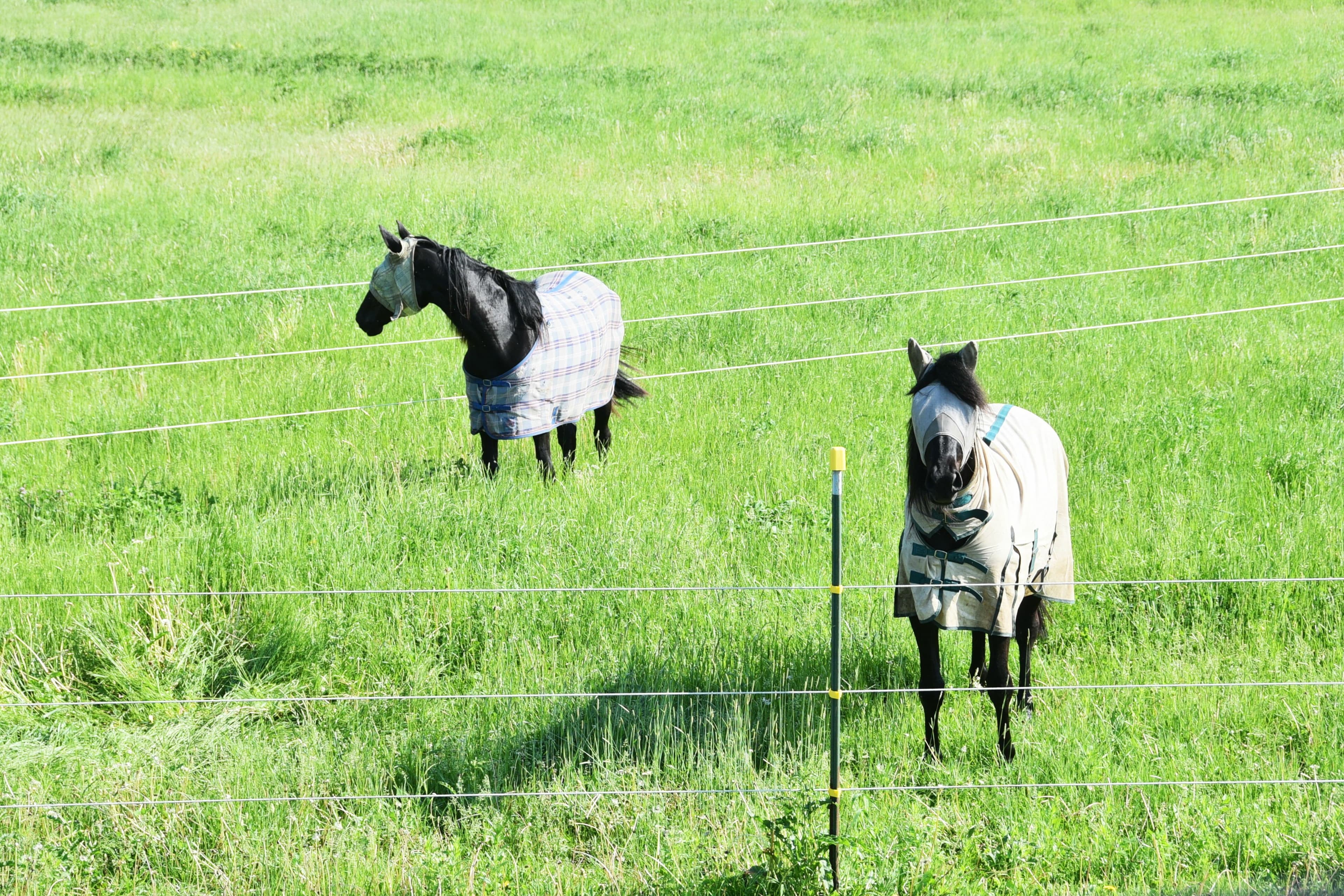
- Use polytape for horse fencing
- Use electric fence netting for sheep, goats, and poultry
Make sure the materials are in good condition and properly tensioned.
8. Reduce Fence Length or Load if Necessary
If your fence is too long for your energizer, voltage will drop.
You can:
- Split the fence into smaller sections
- Upgrade to a higher joule energizer
- Reduce the number of connected fence lines
Matching the energizer capacity to the fence load is critical.
9. Test Voltage at Multiple Points
Always test your fence at different locations.
- Near the energizer
- Middle of the fence
- Far end of the fence
This helps you identify where voltage drops occur and locate problem areas quickly.
10. Perform Regular Maintenance
Consistent maintenance keeps your fence performing well.
Best practices:
- Test voltage weekly
- Trim vegetation regularly
- Check grounding during dry seasons
- Inspect connectors and posts
A well-maintained electric fence system will always deliver better performance.
Conclusion
Improving electric fence voltage is not about fixing one single issue—it is about optimizing the entire system.
By checking your electric fence energizer, improving grounding, removing vegetation, and maintaining proper connections, you can restore strong and reliable voltage across your fence.
Manufacturers like Lydite Fence design energizers that work efficiently with polywire, polyrope, tape, electric fence netting, fence posts, and grounding systems—helping farmers build fencing systems that perform consistently in real conditions.









Wuxi, China
Zhihui568, Jianghai Western Road
Wuxi, Jiangsu, China
Head Factory
Area A, Shuangmiao Industrial Park, Wutong Road, Huishan District, Wuxi City, Jiangsu Province, China


