

How to Choose the Right Electric Fence Energizer for Your Farm
Choosing an electric fence energizer is not about buying the biggest or most powerful unit. It’s about matching the energizer to your fence length, fence material, livestock type, and power source.
Many fence problems start with the wrong energizer choice. In this guide, you’ll learn how to size and select an electric fence energizer that actually works in real farm conditions.
1. What an Electric Fence Energizer Really Does
An electric fence energizer sends short, controlled pulses of electricity into your fence line.
Those pulses travel through the fence conductor, pass through the animal on contact, and return through the ground system.
A good energizer delivers:
Consistent voltage
Enough energy for the full fence length
Safe but memorable shock
If any part of the system is mismatched, animals quickly learn they can ignore the fence.
2. Fence Length Matters More Than Fence Area
One of the most common mistakes is choosing an energizer based only on acreage.
You should always consider:
Total fence length in kilometers or miles
Number of fence strands
Corners and gate connections
Whether fences are permanent or temporary
A long, narrow pasture may require more energizer power than a wide open field.
3. Fence Material Directly Affects Power Demand
Different fence conductors create different electrical loads.
General comparison:
Polywire has low resistance and works well for long distances
Polyrope has higher visibility but slightly higher resistance
Electric fence tape needs proper tension to avoid voltage loss
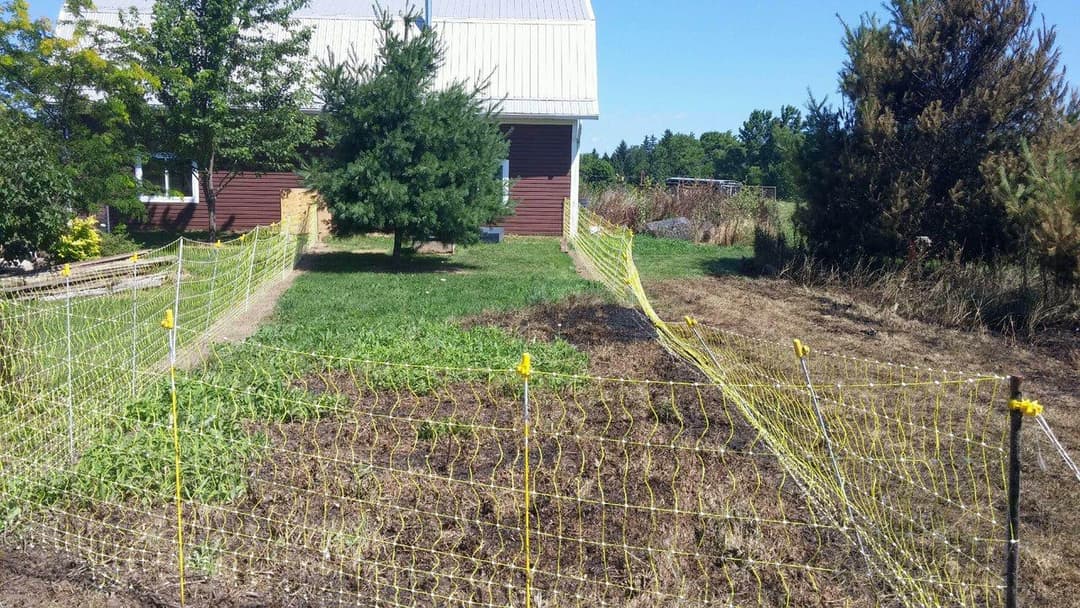
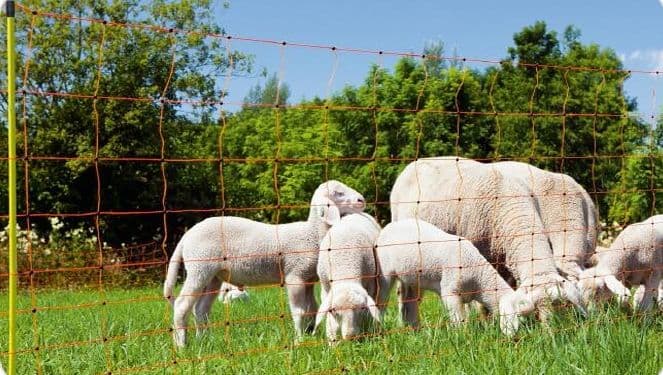
Electric fence netting requires more energy due to multiple horizontal strands
If you use fence netting for sheep, goats, or poultry, you should always choose a stronger energizer than you think you need.
4. Small Fence vs Large Fence Energizers
There is no “one-size-fits-all” energizer.
Typical guidance:
Small paddocks and short fences can use low-joule AC energizers
Medium farms often prefer solar or dual-purpose energizers
Long-distance or multi-line fencing needs higher joule output
Undersized energizers cause low voltage at the far end of the fence—even if the unit works perfectly.
5. AC, Solar, or Dual-Purpose Energizers
Your power source matters just as much as output power.
AC plug-in energizers:
Stable and low maintenance
Ideal near buildings
Best for remote pastures
Independent from grid power
Require battery and sunlight management
Dual-purpose energizers:
Can run on AC or 12V battery
Offer flexibility for seasonal fencing
Your location and grazing system should guide this choice.
6. Grounding System Size Should Match Energizer Power
A stronger energizer requires a better grounding system.
Basic rules:
Small fences can work with one grounding rod
Larger or longer fences benefit from multiple rods
Dry or sandy soil needs extra grounding attention
Poor grounding is the main reason powerful energizers appear “weak.”
7. Fence Posts and Insulators Are Part of the Power System
Fence posts don’t just hold the wire—they protect the electricity.
Common options include:
Fiberglass fence posts for durability
Plastic step-in posts for portability
Pigtail posts for temporary systems
Metal posts with proper insulators
Without good insulation, electricity leaks into the ground before reaching the animal.
8. Livestock Type Changes Energizer Requirements
Different animals respond differently to electric fences.
General considerations:
Horses respect visible fences but need steady voltage
Cattle require consistent shock but not extreme voltage
Sheep and goats need stronger systems due to wool
Poultry fences rely heavily on netting and grounding
Your livestock type should always influence energizer choice.
9. Planning for Fence Expansion
Many farms start small and expand later.
Before choosing an energizer, ask yourself:
Will I add more fence lines?
Will I rotate grazing areas?
Will I switch from wire to netting later?
Choosing an energizer with extra capacity saves money long term.
10. Building a Balanced Electric Fence System
A successful electric fence system depends on balance:
Correct energizer size
Suitable fence conductor
Proper grounding
Quality posts and insulators
Regular testing and maintenance
When all parts work together, even moderate energizers deliver excellent results.
Final Advice
The best electric fence energizer is not the strongest one—it’s the one that matches your farm’s real conditions.
A properly sized energizer will:
Deliver reliable voltage
Reduce maintenance issues
Train animals faster
Protect your investment
Companies like Lydite® design energizers to work with polywire, polyrope, tape, fence netting, and all common fence posts—making system matching easier for modern farms.
Recommended Products





Wuxi, China
Zhihui568, Jianghai Western Road
Wuxi, Jiangsu, China
Head Factory
Area A, Shuangmiao Industrial Park, Wutong Road, Huishan District, Wuxi City, Jiangsu Province, China


