

How Many Joules Do I Need for an Electric Fence? (Complete Guide for Farmers)
If you’re setting up an electric fence or upgrading your current system, one of the most common questions is simple: how many joules do you actually need?
Choosing the wrong electric fence energizer can lead to weak performance, voltage drop, and animals ignoring the fence. On the other hand, choosing the right joule output makes your entire system more reliable and easier to manage.
In this guide, you’ll learn how to calculate the right joule level based on real farm conditions—not guesswork.
1. What Does Joule Mean in an Electric Fence?
A joule is a unit of energy. In an electric fence energizer, it represents how much energy is delivered in each pulse.
Higher joules mean:
Stronger pulses
Better performance over long distances
More ability to handle vegetation and fence load
However, more joules does not always mean better results. What matters is choosing the right level for your system.
2. Start with Fence Length, Not Farm Size
The most important factor when choosing joules is total fence length.
Electricity loses energy as it travels through your electric fence system, especially when using polywire, polyrope, or electric fence tape.
You should always consider:
Total fence length (km or miles)
Number of strands
Distance from energizer to fence
As a general rule:
Short fences need low joules
Long fences need higher joules
Even a small farm can require a strong energizer if the fence layout is complex.
3. Fence Type Affects Joule Requirements
Different fence setups create different levels of electrical resistance.
For example:
Polywire works well for long-distance fencing
Polyrope offers visibility but slightly higher resistance
Electric fence tape needs proper tension to reduce loss
Electric fence netting creates the highest load
Electric fence netting for sheep, goats, or poultry always requires more joules than single-wire systems.
4. Vegetation Load Changes Everything
Grass, weeds, and branches touching your fence constantly drain power.
This is called vegetation load, and it’s one of the biggest reasons fences lose voltage.
If your fence runs through pasture or fields, you should:
Expect power loss
Choose a higher joule energizer
Maintain regular trimming
Without extra capacity, your electric fence energizer will struggle to maintain voltage.
5. Grounding System Must Match Joule Output
A powerful energizer will not work properly without a good grounding system.
Electric current must travel through the animal and return through the soil. If the grounding system is weak, the shock will also be weak.
Basic guidelines:
Small systems can use one grounding rod
Larger systems require multiple rods
Dry soil needs improved grounding
Grounding is often the hidden reason behind poor fence performance.
6. Livestock Type Determines Required Strength
Different animals respond differently to electric fences.
You should always choose joules based on the most challenging animal.
Typical examples:
Horses need consistent voltage and visible fencing
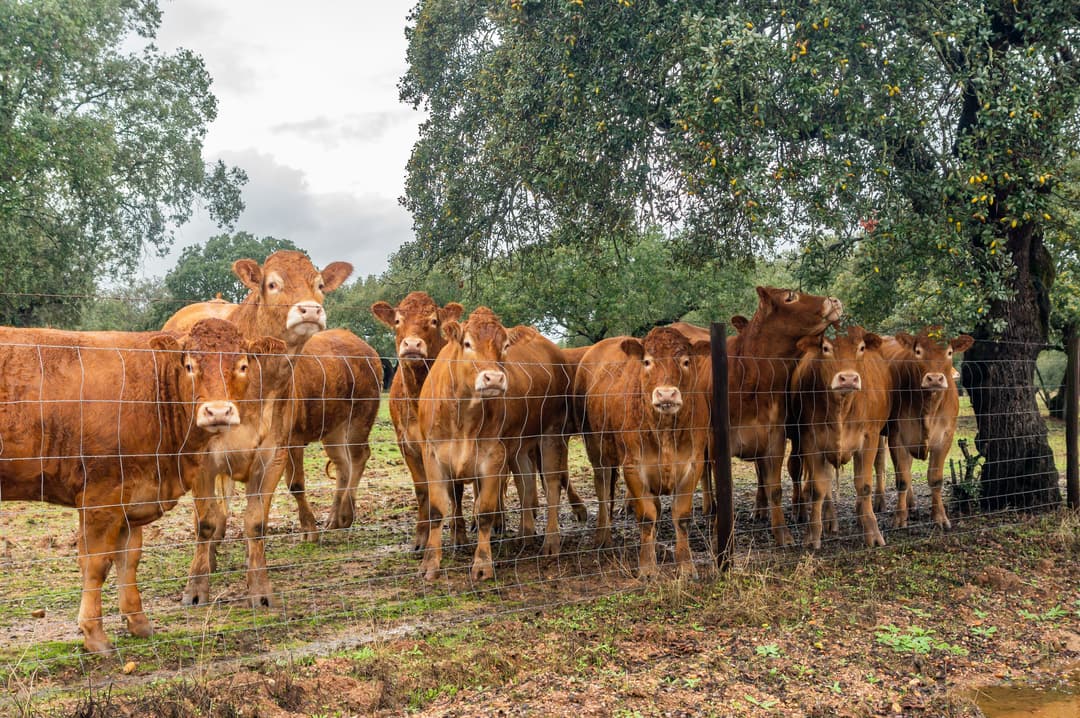
Cattle respond well to steady pulses
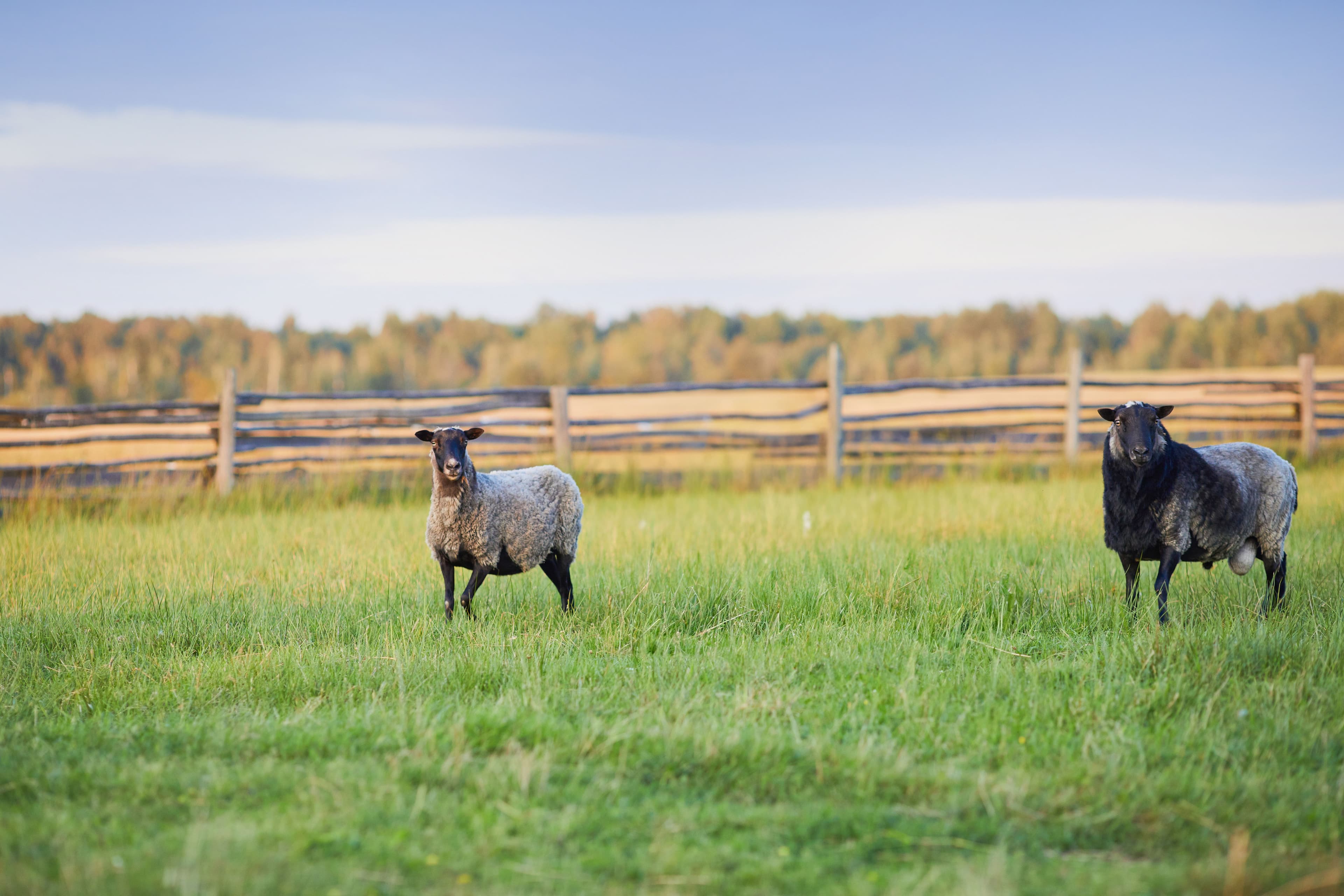
Sheep and goats require stronger systems due to wool
Poultry fences rely heavily on electric fence netting and grounding
If your fence cannot deliver enough shock, animals will quickly learn to ignore it.
7. Power Source Influences Performance
The type of energizer you use affects how efficiently joules are delivered.
AC-powered energizers:
Stable and consistent output
Ideal for permanent installations
Battery-powered energizers:
Portable and flexible
Suitable for temporary fencing
Solar energizers:
Best for remote areas
Depend on sunlight and battery condition
Even with the same joule rating, performance can vary depending on the power source.
8. Plan for System Expansion
Many farmers expand their fencing systems over time.
You may:
Add more fence lines
Switch to electric fence netting
Increase livestock numbers
Extend grazing areas
If your energizer is already at its limit, expansion will reduce performance.
Choosing a slightly higher joule rating now can prevent future problems.
9. Signs You Don’t Have Enough Joules
If your system is underpowered, you will notice clear warning signs:
Low voltage at the far end of the fence
Animals pushing through or ignoring the fence
Voltage drops when vegetation increases
Inconsistent readings when testing
These issues are often caused by insufficient joule output rather than equipment failure.
10. Build a Balanced Electric Fence System
A strong electric fence is not just about joules.
It depends on a complete system:
Electric fence energizer
Fence conductor (polywire, polyrope, tape, or electric fence netting)
Fence posts and insulators
Grounding system
Regular maintenance
When all parts work together, even a moderate energizer can deliver excellent results.
Conclusion
So, how many joules do you need for an electric fence?
The answer depends on your fence length, fence type, vegetation load, grounding system, and livestock—not just a number.
By understanding how these factors work together, you can choose an electric fence energizer that delivers consistent performance and long-term reliability.
Manufacturers like Lydite Fence design energizers that work with polywire, polyrope, tape, electric fence netting, and different fence posts—helping you build a system that stays effective as your farm grows.




Wuxi, China
Zhihui568, Jianghai Western Road
Wuxi, Jiangsu, China
Head Factory
Area A, Shuangmiao Industrial Park, Wutong Road, Huishan District, Wuxi City, Jiangsu Province, China


