

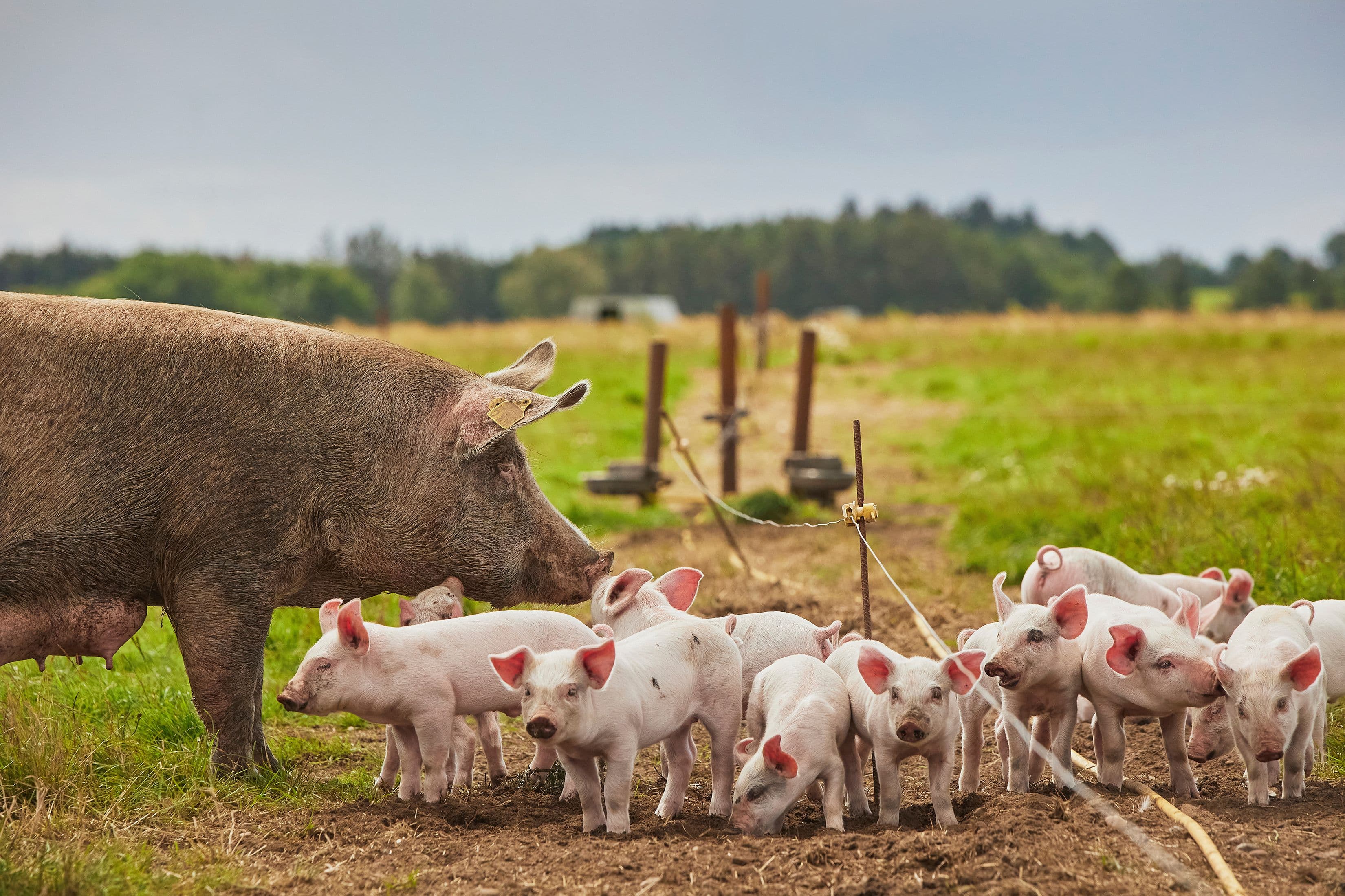
How to Build an Effective Electric Fence for Cattle: A Complete Guide
Introduction
Keeping cattle safely contained is one of the biggest challenges for livestock farmers. A well-designed electric fence provides an efficient, cost-effective, and reliable solution that protects your animals while reducing maintenance compared to traditional fencing.
However, simply installing a fence is not enough. The performance of your electric fencing system depends on choosing the right components, installing them correctly, and maintaining the system over time.
In this guide, you will learn how to build an effective electric fence for cattle and how to avoid the most common mistakes that reduce fence performance.
1. Why Choose an Electric Fence for Cattle?
Electric fencing has become one of the most popular livestock management solutions because it offers several advantages over conventional fencing.
Benefits include:
- Lower installation costs
- Faster installation
- Easy expansion
- Flexible paddock design
- Better grazing management
- Reduced maintenance
Instead of relying on physical strength alone, an electric fence trains cattle to respect the boundary after only a few encounters with the fence.
2. Select the Right Electric Fence Energizer
The electric fence energizer is the heart of your fencing system.
A quality energizer delivers high-voltage pulses through the fence wire, creating a safe but effective deterrent.
When selecting an energizer, consider:
- Total fence length
- Number of fence wires
- Vegetation load
- Future expansion
- Power source availability
If your fence covers a large area, choose an energizer with enough output energy to maintain consistent voltage across the entire system.
3. Choose the Best Fence Conductors
The conductor carries electrical pulses throughout the fence.
Several options are available, including:
Polywire
Polywire is lightweight, affordable, and easy to install. It works well for temporary and rotational grazing systems.
Polyrope
Polyrope contains more conductive strands and is easier for cattle to see, making it an excellent choice for larger paddocks.
Polytape
Polytape offers maximum visibility and is commonly used where highly visible fencing is preferred.
The right conductor depends on your farm layout and livestock management goals.
4. Install Strong Fence Posts
Fence posts support the entire fencing system and help maintain proper wire tension.
Popular choices include:
- Plastic fence posts
- Fiberglass fence posts
- Steel pigtail posts
- Wooden corner posts
Corner and end posts should always be strong enough to withstand wire tension, while lightweight posts can be used for intermediate sections.
Proper post spacing also improves fence stability and reduces maintenance.
5. Build an Effective Grounding System
Many electric fence problems are caused by poor grounding rather than weak energizers.
The grounding system completes the electrical circuit when cattle touch the fence.
For the best results:
- Install multiple galvanized grounding rods.
- Space the rods several meters apart.
- Place them in moist soil whenever possible.
- Inspect all grounding connections regularly.
A properly grounded fence delivers a stronger and more consistent shock.
6. Maintain the Correct Fence Height
Fence height should match the size and behavior of your cattle.
Most adult cattle fences include two or three electrified wires.
Typical installation guidelines are:
- Lower wire to discourage calves from crawling underneath.
- Middle wire for general control.
- Upper wire at shoulder height for adult cattle.
Correct wire placement improves both safety and effectiveness.
7. Keep Vegetation Away from the Fence
Grass, weeds, and branches touching the fence reduce voltage by creating continuous electrical leakage.
To maintain strong fence performance:
- Mow vegetation regularly.
- Remove fallen branches.
- Inspect the fence after heavy rain.
- Keep conductors clear throughout the growing season.
Controlling vegetation is one of the easiest ways to improve fence efficiency.
8. Test Fence Voltage Regularly
Routine testing helps identify problems before cattle begin challenging the fence.
Use a digital fence tester to measure voltage at several locations:
- Near the energizer
- Midway along the fence
- At the far end of the fence
Consistent voltage across the entire fence indicates that your system is operating correctly.
If voltage decreases significantly, inspect the fence for damaged conductors, loose connections, or grounding issues.
9. Perform Routine Maintenance
Preventive maintenance reduces unexpected failures and extends the lifespan of your electric fence system.
Create a regular maintenance schedule that includes:
- Inspecting fence posts
- Tightening wire connections
- Cleaning terminals
- Checking insulators
- Testing the grounding system
- Measuring fence voltage
A few minutes of maintenance each week can prevent costly repairs later.
10. Plan for Future Expansion
Many cattle operations continue to grow over time.
When designing your fence, think about future needs.
Choose an energizer that can support additional fence lines, extra paddocks, or longer fence distances. Installing quality components from the beginning makes expansion easier and more economical.
Planning ahead helps your fencing system remain reliable for years to come.
Conclusion
A reliable electric fence for cattle depends on more than just a powerful energizer. Every component—including the fence posts, conductors, insulators, and grounding system—plays an important role in overall performance.
By selecting quality materials, installing the system correctly, and performing regular maintenance, you can build a fence that safely contains livestock while reducing long-term operating costs.
Lydite Fence offers a complete range of electric fence energizers, polywire, polyrope, fence posts, insulators, electric fence netting, and fencing accessories designed to help farmers build dependable livestock fencing systems for farms around the world.
Frequently Asked Questions
What is the best electric fence for cattle?
A high-quality electric fence system includes a reliable energizer, durable conductors, sturdy fence posts, and a properly installed grounding system.
How many volts should a cattle fence have?
Most cattle fences should maintain at least 4,000 volts for consistent animal control.
Is polywire suitable for cattle?
Yes. Polywire is commonly used for temporary fencing and rotational grazing. For permanent installations, polyrope or high-tensile wire may also be suitable.
How often should an electric fence be checked?
Inspect the fence weekly and test the voltage regularly to ensure consistent performance.







Wuxi, China
Zhihui568, Jianghai Western Road
Wuxi, Jiangsu, China
Head Factory
Area A, Shuangmiao Industrial Park, Wutong Road, Huishan District, Wuxi City, Jiangsu Province, China


